
A New Exhibition Brings Together Family Photos Taken at Stonehenge Throughout History—See Them Here
Has a new exhibition uncovered the first family photo ever taken
at Stonehenge? The origins of the ancient circle of massive stone
monoliths, located in Wiltshire, England, may be shrouded in
mystery, but the site’s photographic history is far easier to
trace.
A new show at the Stonehenge Visitor’s Center, celebrating the
nation’s memories of visiting the prehistoric site, kicks off in
1875, with a snapshot of Isabel, Maud, and Robert Routh, who
made the journey there by horse-drawn carriage. Descendants of
the Rouths unearthed a pair of faded images in response to English
Heritage’s request for family photographs taken at Stonehenge over
the years. (The first known photo of the site itself is 22 years
older than the Routh image.)
“People have been visiting Stonehenge for centuries, and since
the 19th century, people have felt compelled to take photos of
themselves and their loved ones in front of the stones. But rather
than lying forgotten in a dusty old photo album or on a memory
card, we want people to share with us their photos of Stonehenge,”
said Stonehenge director Kate Davies when putting out the
call in 2018.
English Heritage historian Susan Greaney and photographer Martin
Parr, who co-curated the exhibition, whittled down the more than 1,400
photos submitted to just 144, covering a span of
nearly 150 years. The newest image on view is by Parr himself,
taken during the fall equinox this September. The photographer
captured an unknown couple kissing in front of the stones while, in
true 2019 fashion, holding a selfie stick aloft.
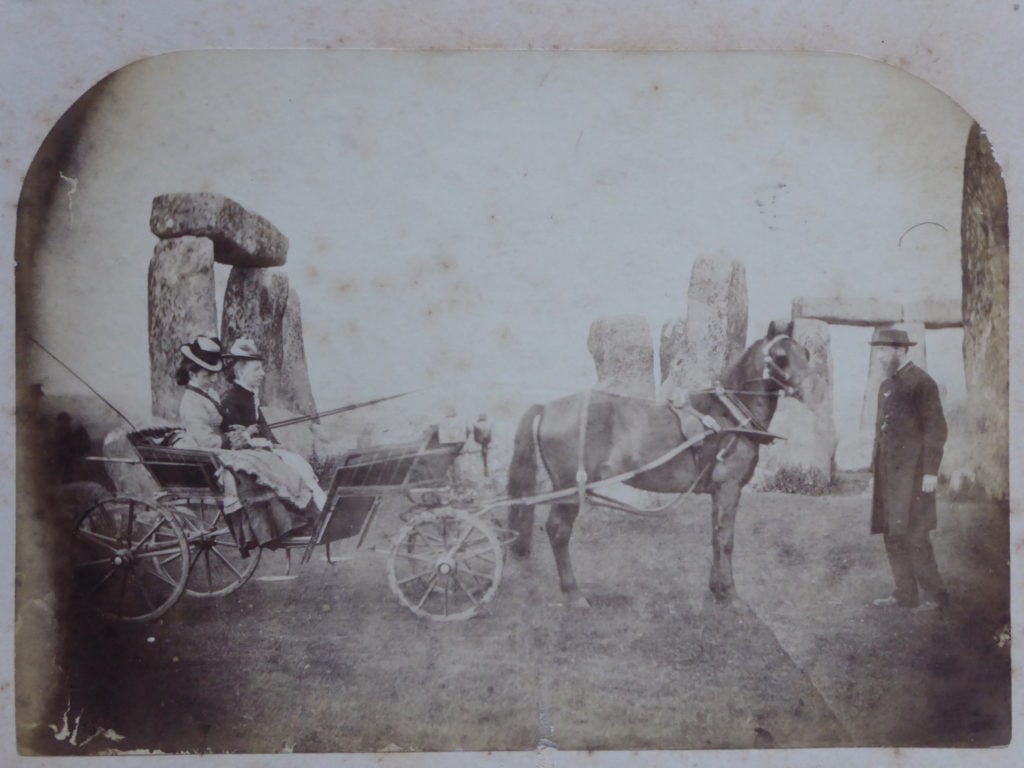
Isabel, Maud, and Robert Routh in 1875,
in what’s believed to be the oldest family photograph taken at
Stonehenge. Photo courtesy of the Routh family/English
Heritage.
Parr hopes to identify the pair and to give them a print of the
image. English Heritage is also encouraging anyone who might have
an earlier photograph of their ancestors visiting Stonehenge to
come forward.
“The exhibition shows how photography has changed—the rise of
the selfie stick and the smartphone and how taking a photograph is
a very different thing now,” Greaney told the Evening
Standard. “The way that people pose—people’s faces
have got closer to the camera until they are taking a picture of
themselves more than they are of Stonehenge.”
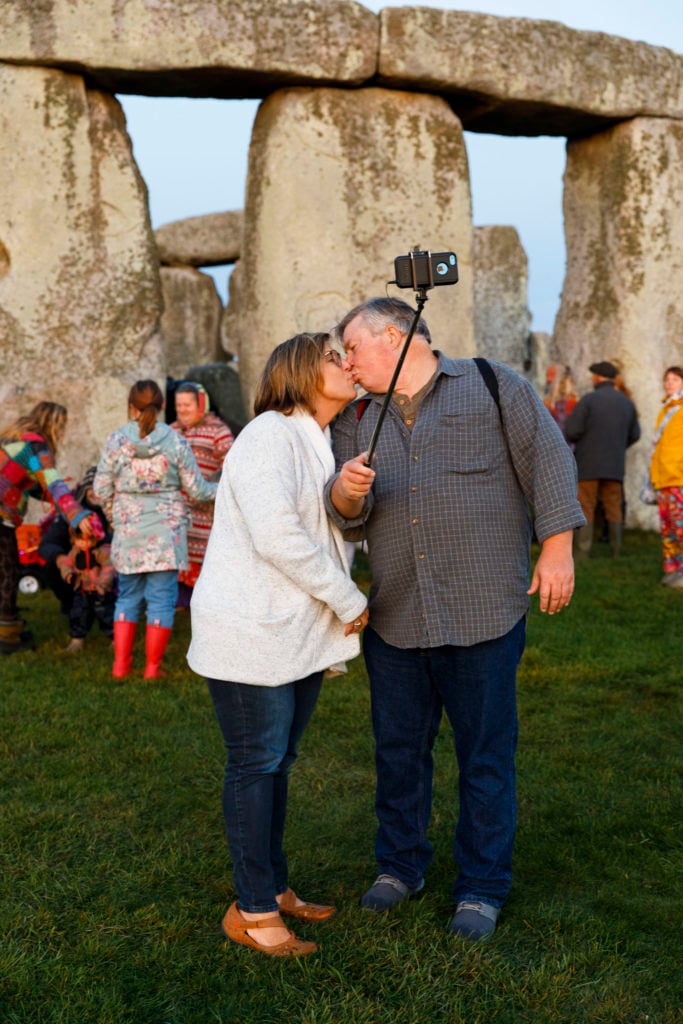
Martin Parr took this photograph at
Stonehenge on the fall solstice in September 2019, and hopes to
identify the couple. Photo by Martin Parr, courtesy of English
Heritage.
These amateur snapshots amount to something of a social history
of the UK. There are joys—honeymoon memories, family picnics back
when sitting on the stones was still allowed—and also sorrows, as
seen in a photograph of a 10-year-old girl and her 20-year-old
brother, wearing his military uniform back in 1941. It was taken
the last time they saw each other, shortly before he went missing
in action during World War II.
“I loved looking at the images that people sent in,” Parr said
in a statement. “They really
show what the stones mean to people and how our relationship with a
site like Stonehenge has changed and yet stayed the same through
time.”
See more photos from the exhibition below.
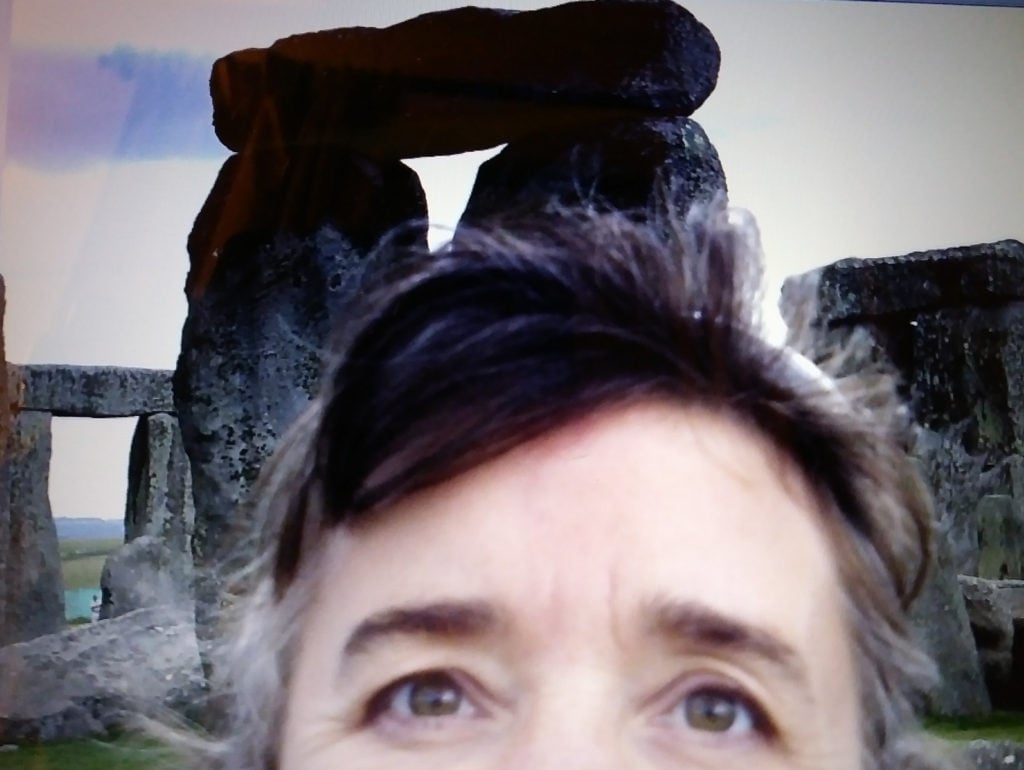
A 2015 photograph taken at Stonehenge.
Photo courtesy of Cynthia McKee/English Heritage.
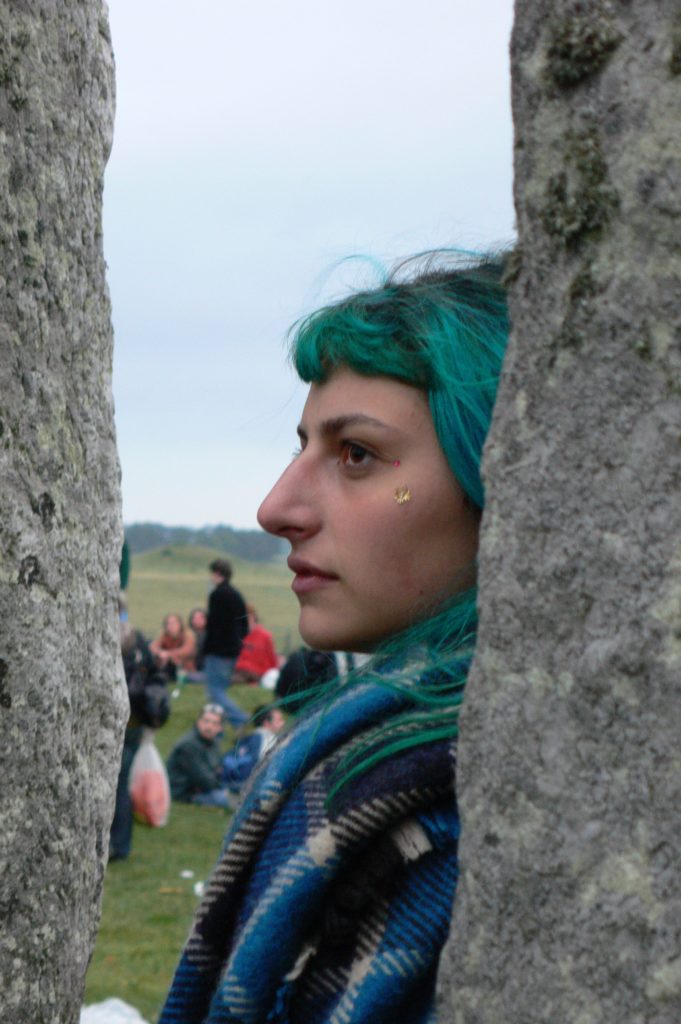
“Summer solstice. My family were
visiting from New Zealand and we thought we would go and see the
stones,” wrote Susan Holland of a 2007 photograph taken at
Stonehenge. Photo courtesy of Susan Holland/English Heritage.
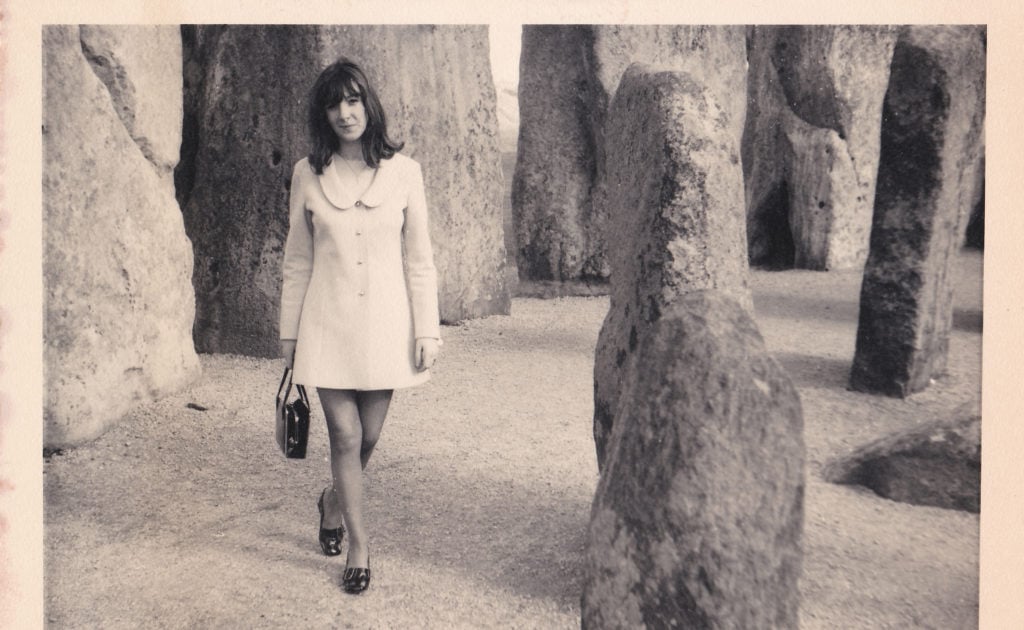
A 1970 photograph taken at Stonehenge.
Photo courtesy of Lorna and Clive Tomkins/English Heritage.
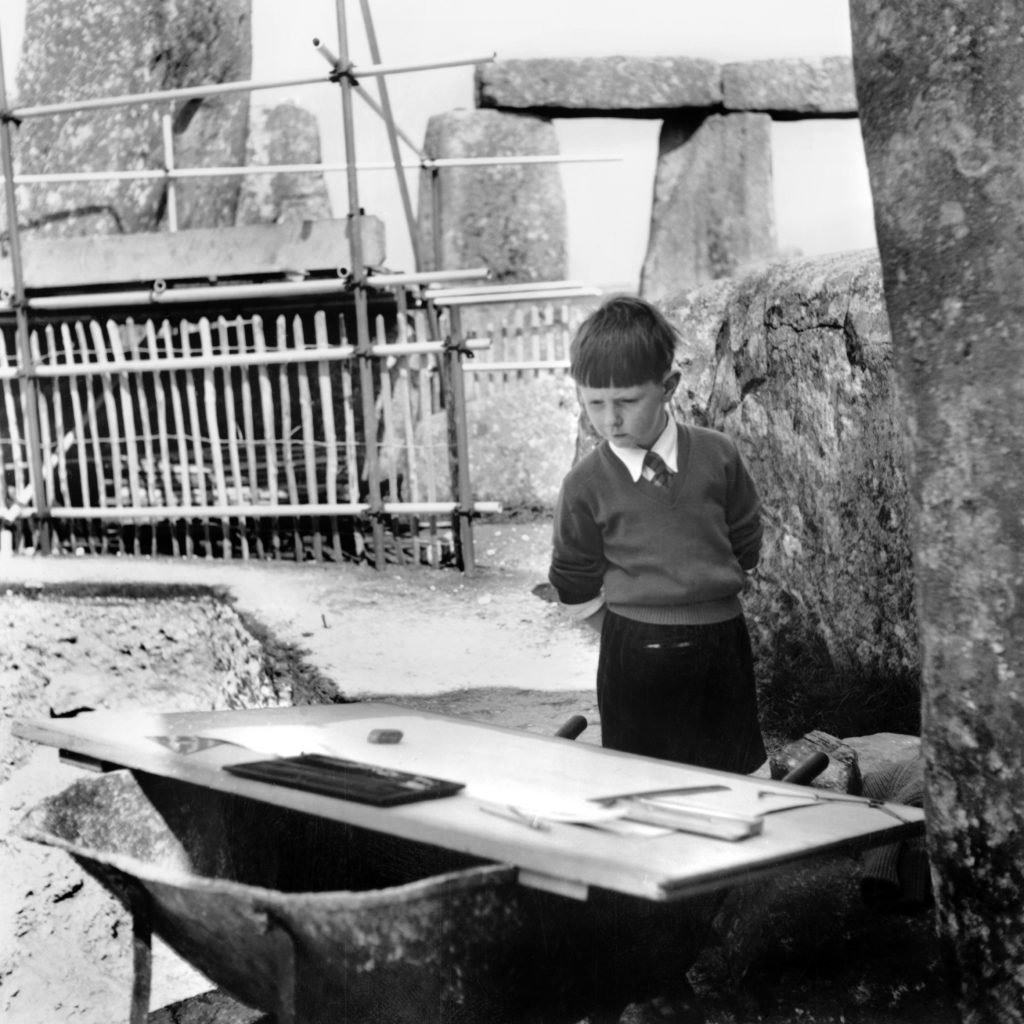
“My father was the architect responsible
for ancient monuments in England and Wales and took personal charge
of the work at Stonehenge in the 50s. In the school holiday I was
left to play around the stones. When the largest of the trilithons
was lifted ready to be placed in position, it was held about 2ft
above the original hole. I crawled into the hole to place a new
1958 penny there, before the stone was lowered again. No picture
was taken of that, but this photo shows me studying my father’s
drawing board. He always used an old wheelbarrow, it effectively
providing a mobile desk!” wrote Richard Woodman-Bailey of this 1958
photograph taken at Stonehenge. Photo courtesy of Richard
Woodman-Bailey/English Heritage.
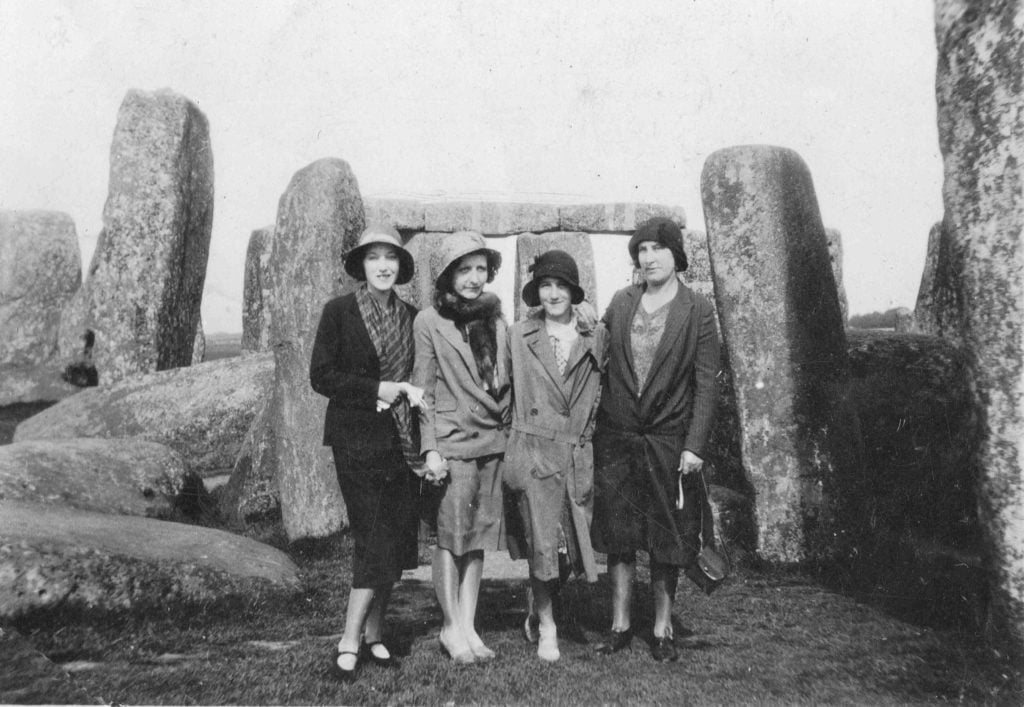
“My mother Hilary, aunts Kay and Peggie,
and my grandmother Hilda. In those days people dressed up for
outings!” wrote Richard Bridgland of this photograph taken at
Stonehenge in 1932. Photo courtesy of Richard Bridgland/English
Heritage.
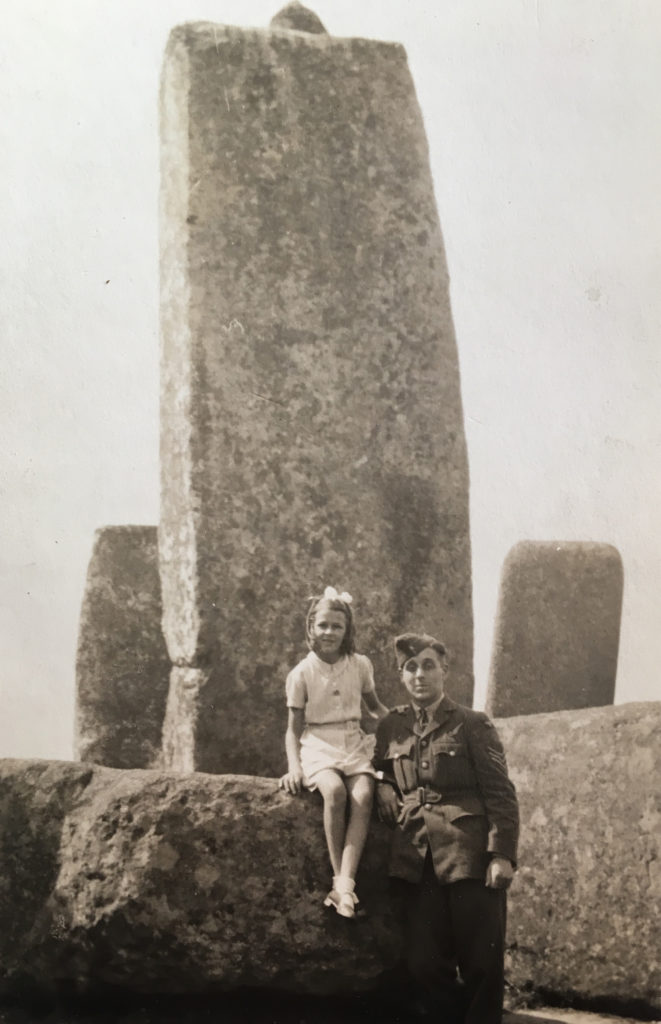
“It’s a photo of me, then Joyce McLaren,
and my brother, Sergeant Observer Douglas Brian McLaren. He was on
leave from the RAF. I was 10 years old and my brother was 20. It
was the last time we saw him. He was posted to Malta and reported
missing, believed killed, during a bombing raid in North Africa on
8 January 1942,” wrote Joyce Leeson of this photograph taken in
Stonehenge in 1941. Photo courtesy of Joyce Leeson/English
Heritage.
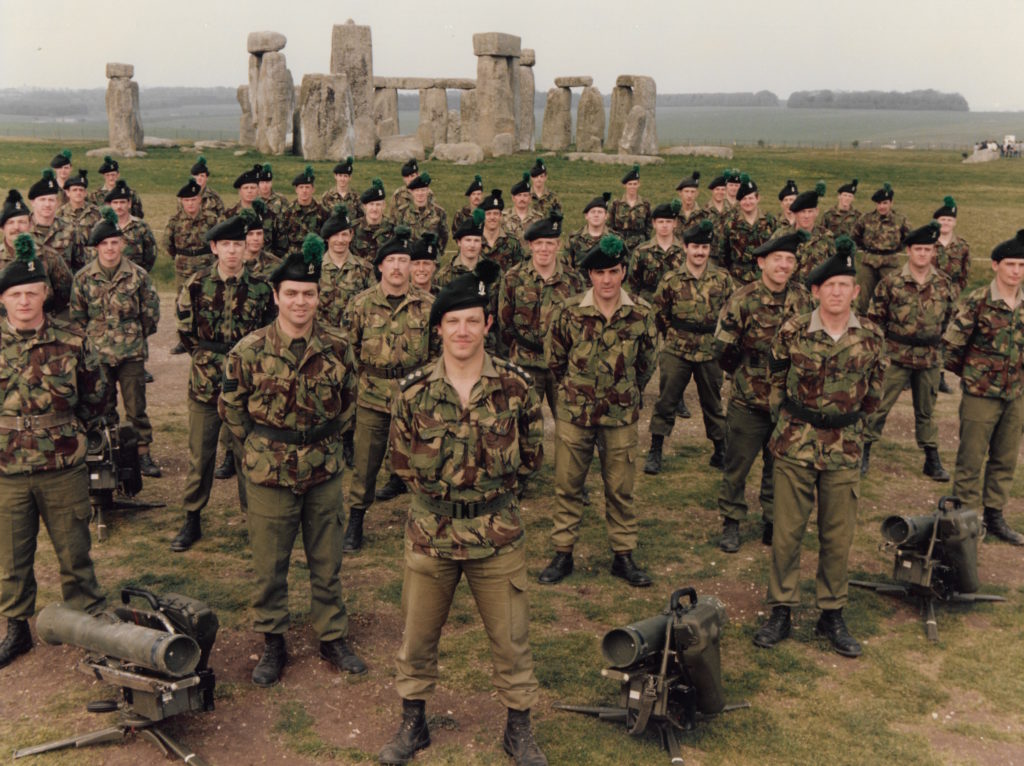
A 1984 photograph taken at Stonehenge.
Photo courtesy of David Phillips/English Heritage.
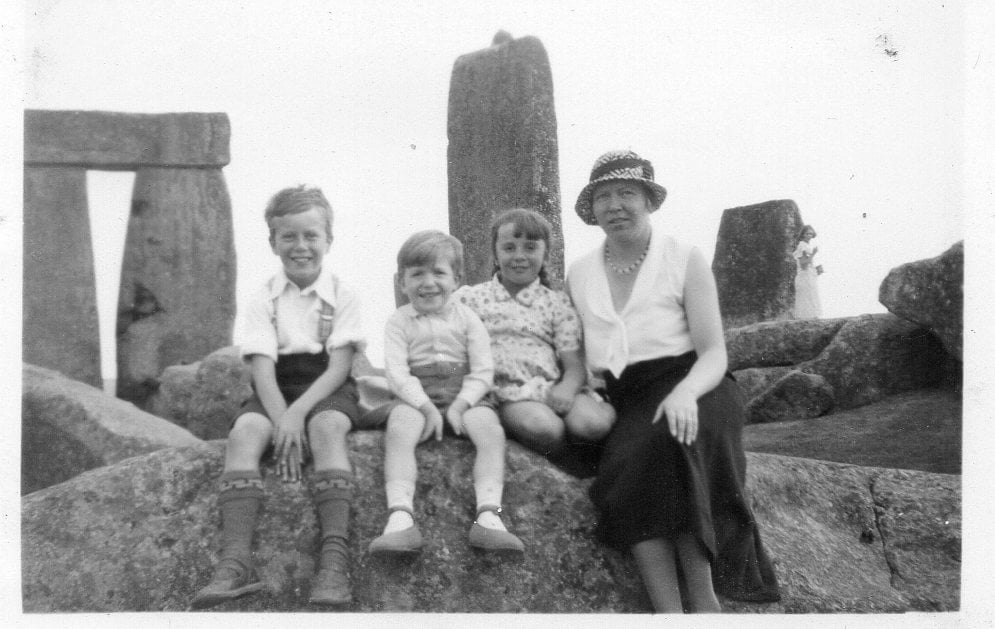
A 1933 photograph taken at Stonehenge.
Photo courtesy of Janice Clarke/English Heritage.
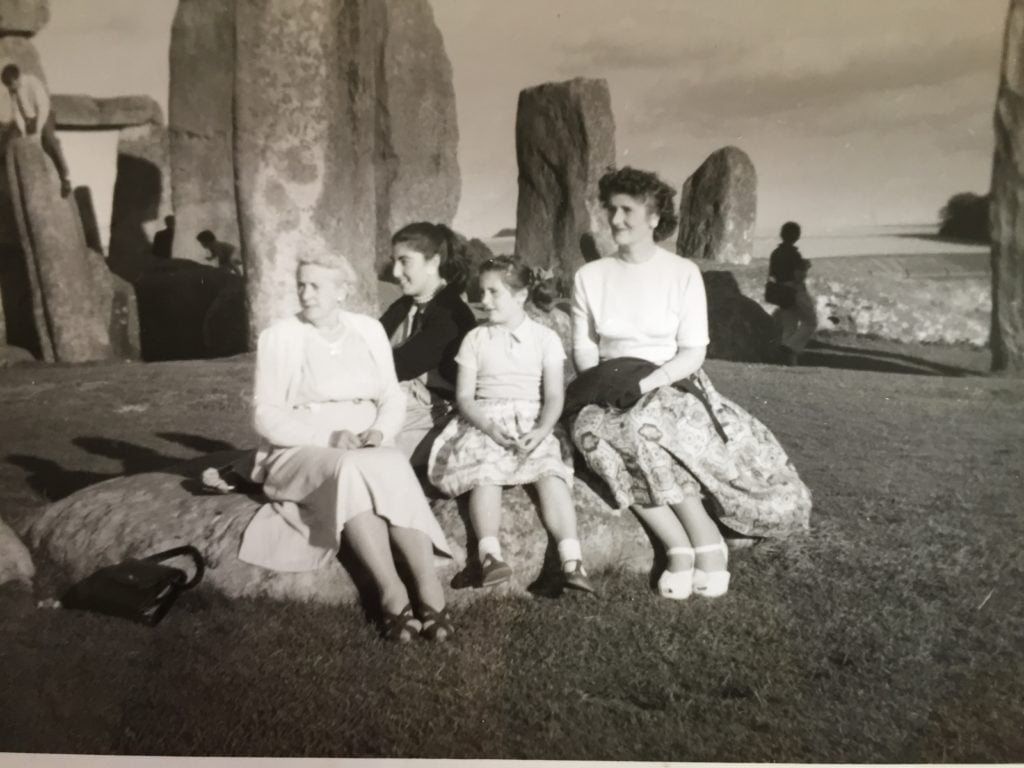
A 1957 photograph taken at Stonehenge.
Photo courtesy of Gail Treliving/English Heritage.
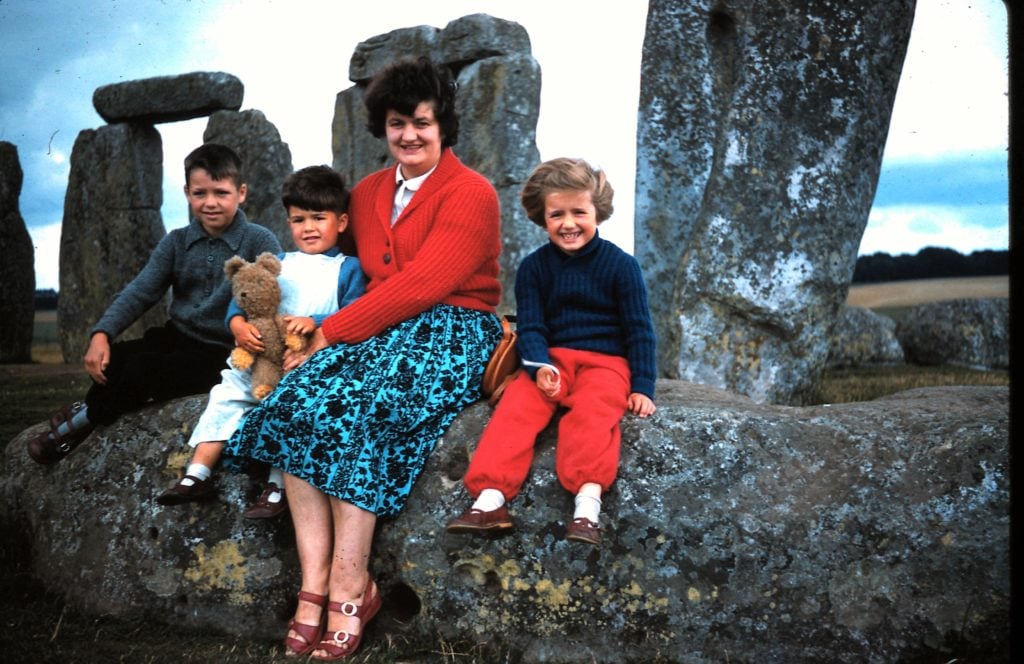
“This is us, the Olivers from Cornwall,
dressed in our finest camping clothes and Clarks sandals during our
annual camping holiday. My dad took the picture with his
Voigtlander Vito B camera,” wrote Michael Oliver of this 192
photograph taken at Stonehenge. Photo courtesy of Michael
Oliver//English Heritage.
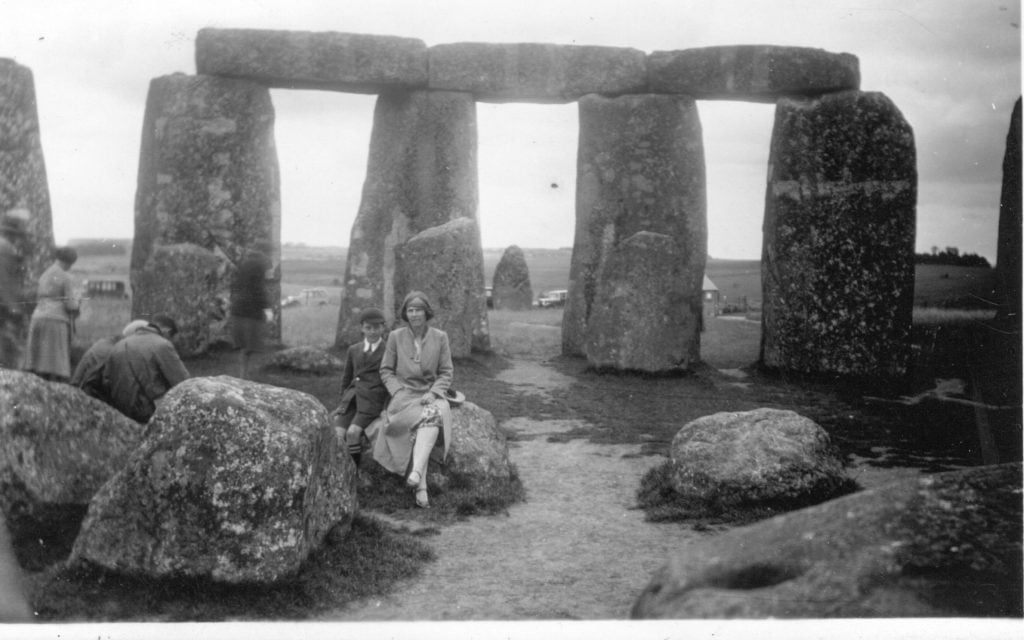
A 1935 photograph taken at Stonehenge.
Photo courtesy of Gina Hacker/English Heritage.
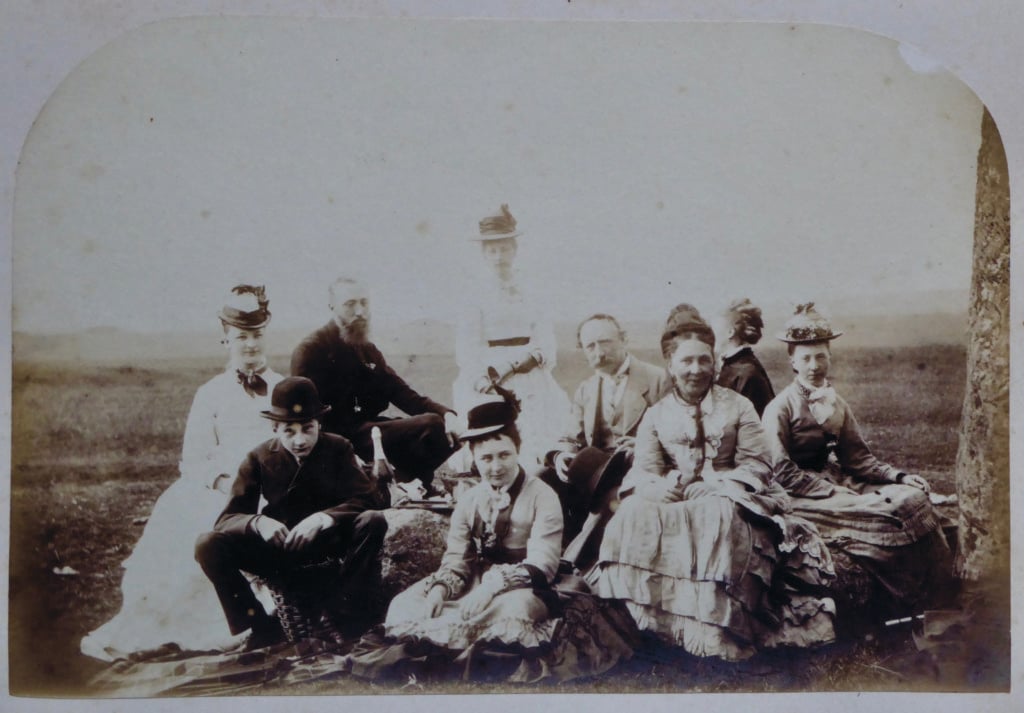
Members of the Routh family in 1875, in
what’s believed to be the oldest family photograph taken at
Stonehenge. Photo courtesy of the Routh family/English
Heritage.
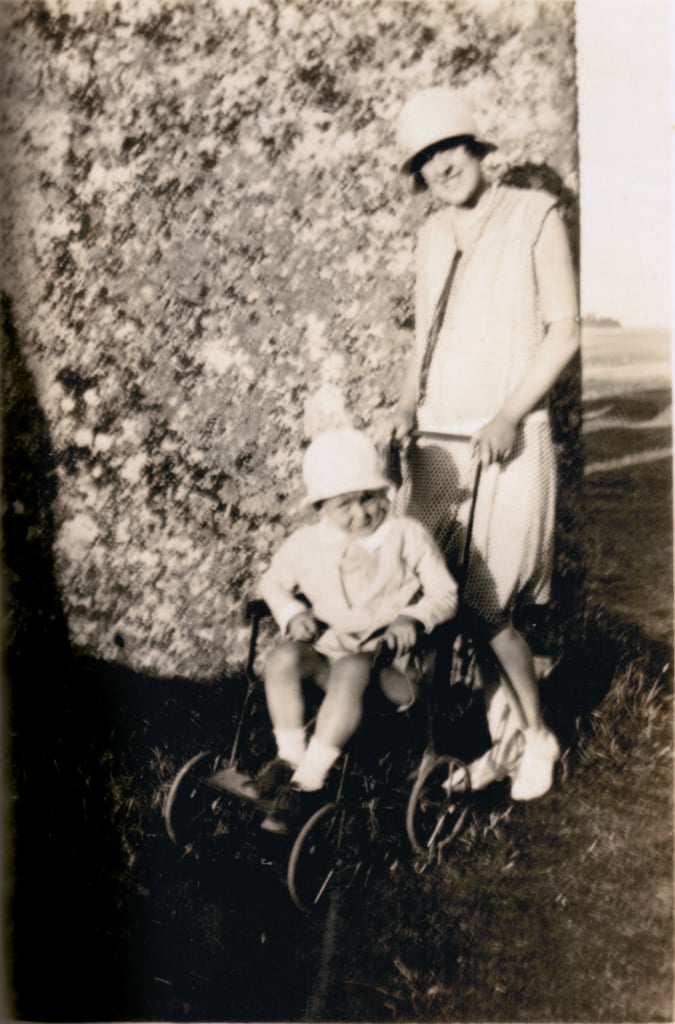
“The stones were our private playground
and the picture is of my brother John and aunt Nell. John died
earlier this year, but before he did he confessed to having carved
his initials on one of the stones of Stonehenge, though I have no
idea which one,” wrote Alexandra Cooper of this 1929 photograph
taken at Stonehenge. Photo courtesy of Alexandra Cooper/English
Heritage.
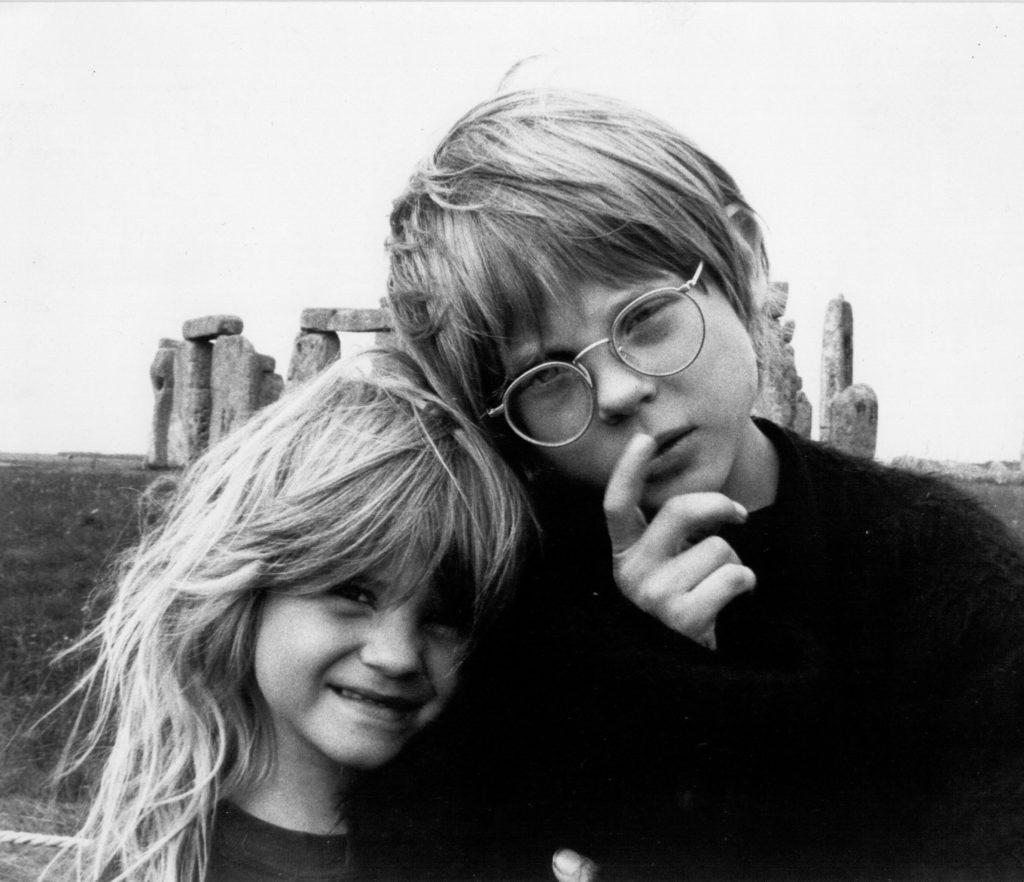
A 1979 photograph taken at Stonehenge.
Photo courtesy of Elizabeth Fuller/English Heritage.
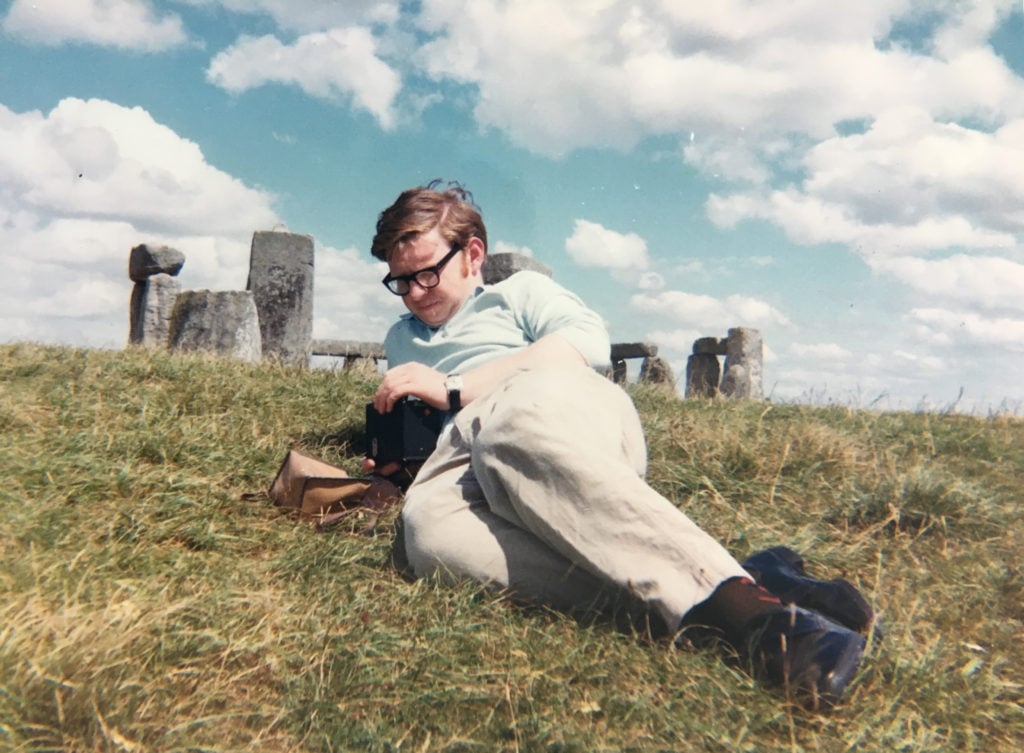
“My best friend, Garth, checking his
camera on a summer holiday visit,” wrote John Hodgson of this 1968
photograph he took at Stonehenge. Photo courtesy of John
Hodgson/English Heritage.
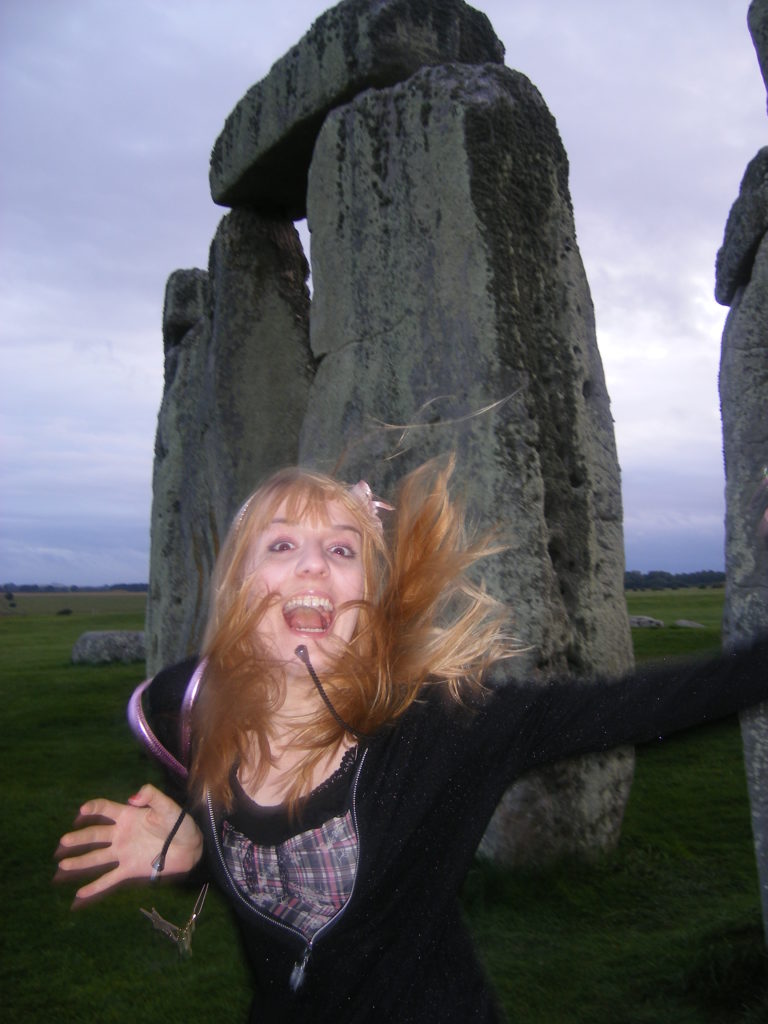
A 2009 photograph taken at Stonehenge.
Photo courtesy of Julie Blanshard/English Heritage.
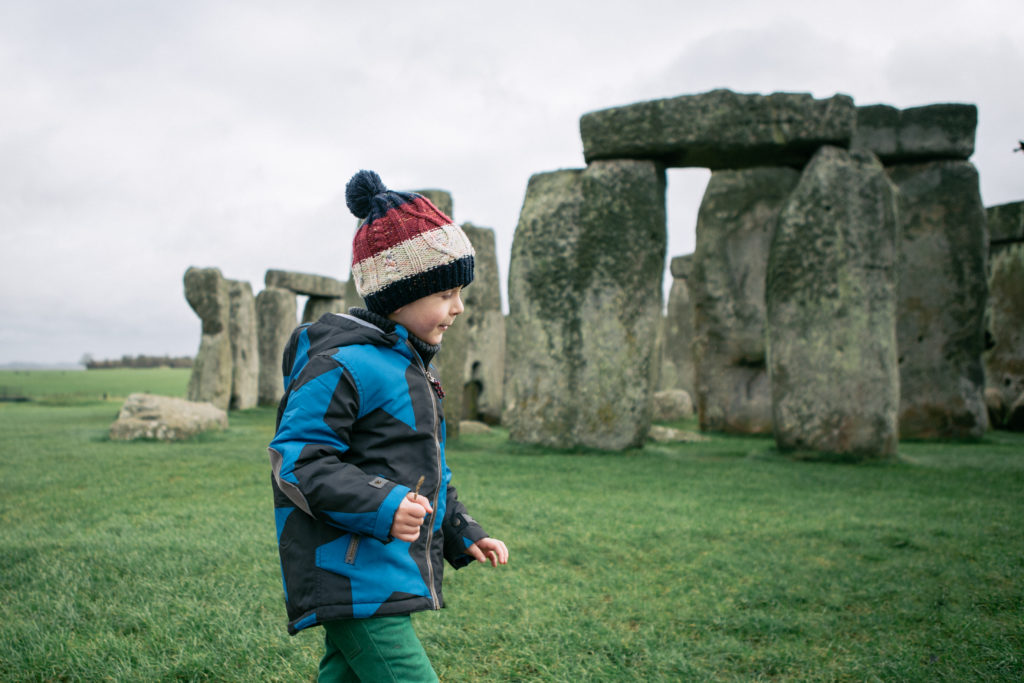
A 2016 photograph taken at Stonehenge.
Photo courtesy of Antonina Mamzenko/English Heritage.
“Your Stonehenge: 150 Years
of Personal Photos” is on view at the Stonehenge Visitor
Centre, Salisbury, Wiltshire, SP4 7DE, UK,
December 12, 2019–August 2020.
The post A New Exhibition Brings Together Family Photos
Taken at Stonehenge Throughout History—See Them Here appeared
first on artnet News.
Further reading


Leave a comment