
Attendance Has Always Been a Narrow Way to Define Success. That’s Why This Museum Is Using Data Science to Measure Its Social Impact
For most museums, success is
scored in numbers—revenue, attendance, Instagram “likes.” But the
Oakland Museum of California (OMCA), which caters to a broad swath
of communities in the Bay Area, sought to define something more
elusive, yet equally important: its own social
impact.
Working with a group of social
scientists, the museum devised an innovative plan to take stock of
both its ability to connect with visitors and to foster connections
between visitors themselves. The idea came after previous data
collection efforts revealed a more thorough snapshot of the
institution’s audience, which is one of the most diverse in the
country. More than half of the museum’s visitors are people of
color and nearly two-thirds are under 45 years old. 25 percent come
from a household that makes under $50,000 a year, while 41 percent
come from one that tops $100,000.
“We had witnessed a significant
change in our audience,” says OMCA director and CEO Lori Fogarty,
noting particular increases in visitors of color, younger visitors,
and visitors with families. “We realized, as we were doing this
work and talking about the goals and outcomes and what success
looked like, that we really needed to frame our work in a different
way. It was more than increasing numbers or increasing the
diversity of our visitorship. We were trying to do something that
was much broader about the well-being of our community.”
The real question, Fogarty says,
was, “what is the difference we are trying to make in the
world?”
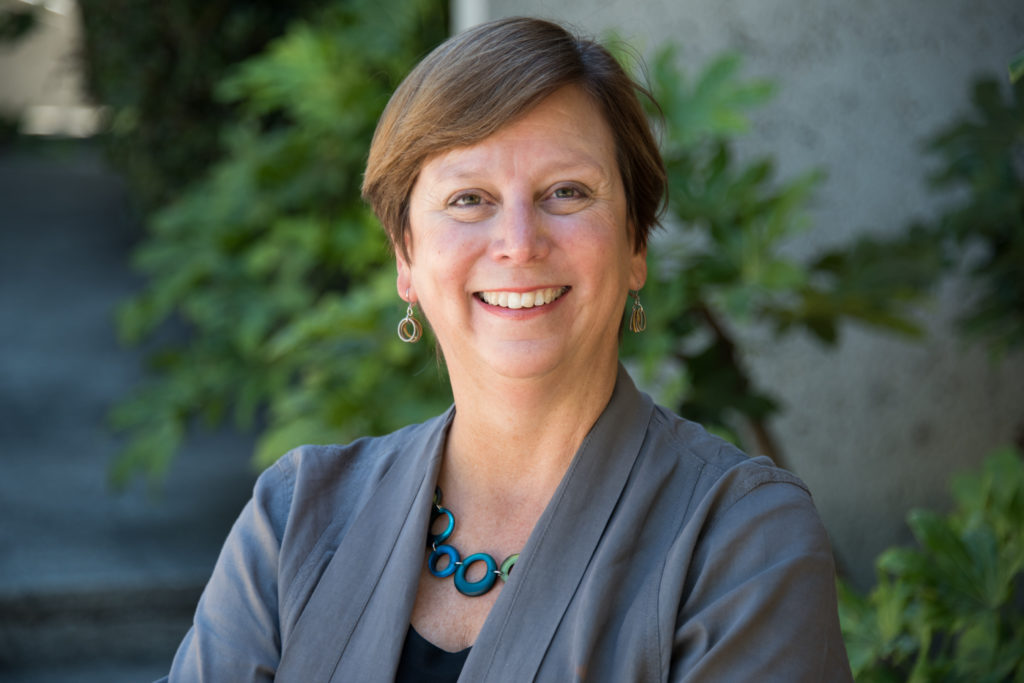
Lori Fogarty. Photo: Terry Lorant.
What OMCA landed on was social
impact, the “idea that people have empathy and feel a sense of
connection with each other,” the director explains. The institution
arrived at this conclusion after being inspired by research
conducted across numerous other industries, from public health to
library studies. Of particular note was a 2014 study produced by
the UN that posited that social cohesion is necessary in addressing
large, systemic problems like poverty, homelessness, or
illiteracy.
“This is coming at a time when
museums and other cultural institutions are really trying to make a
case for their existence,” says the OMCA’s associate director of
evaluation and visitor insight, Johanna Jones, who led the project.
“We know we make a difference in people’s lives, now we need to
really demonstrate it through measurable metrics.”
The institution has released the
results of its first study, conducted over the 2019 fiscal year.
The results were, on the surface, very positive: 97 percent of the
over 1,700 surveyed visitors felt “welcome and at ease” at the
museum, while 95 percent believed in the institution’s commitment
to telling “stories from different communities.” Yet, while those
metrics painted the kind of rosy, broad-strokes picture that many
museums would happily call their own, the OMCA was in search of a
more nuanced understanding of its impact.
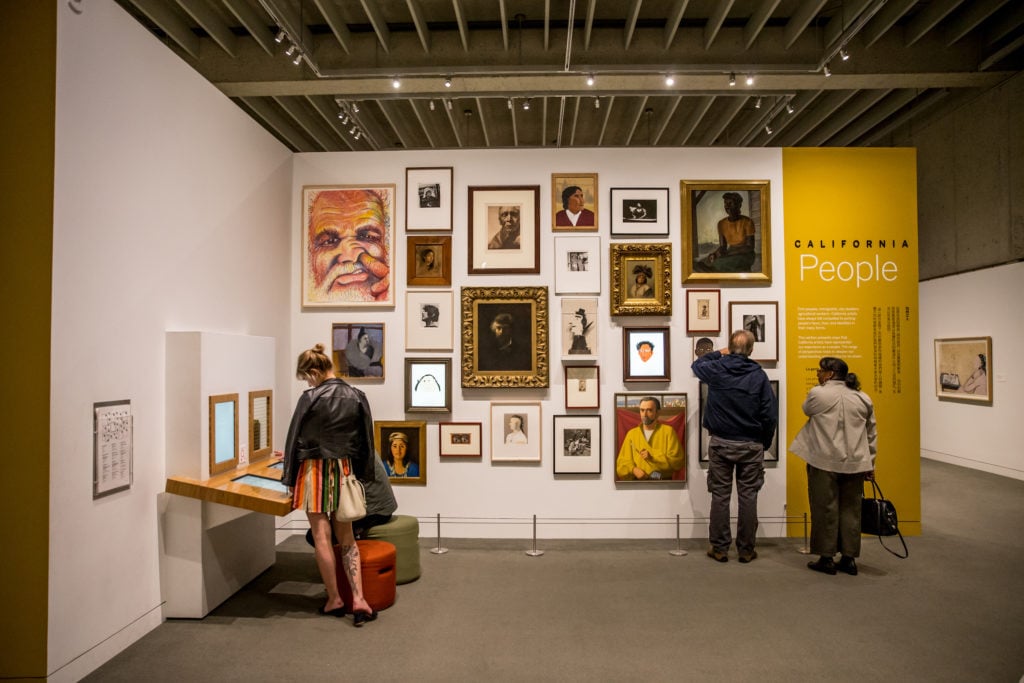
The Oakland Museum of California.
Courtesy of the OMCA. Photo: Odell Hussey Photography.
From the newly acquired data,
Jones and her team formulated a “social impact score” that,
measured across different demographics, yielded a more refined
portrait of the museum’s relationship with its visitors. The
researchers found that women, museum members, and return visitors
reported notably high scores, while people of color and those who
come from homes with incomes below the $50,000 threshold scored
low. (There was, of course, overlap between these
categories.)
In other words, though the
results were largely positive, they were also burdened by the same
divisions of race and class that cultural institutions have long
wrestled with.
“I think the study and the
results were really gratifying for us, both for what they affirmed
and for what they pointed out that we needed to learn,” says
Fogarty.

The Oakland Museum of California.
Courtesy of the OMCA. Photo: Odell Hussey Photography.
Indeed, the study is just the
beginning of a larger, more holistic initiative that will play out
over the course of years.
“The survey will continue and
it’s something that we can measure through time, see if we’re
making gains or where there’s still work to be done,” says Jones.
“That was always the intention—it wasn’t a one-time study, which is
easy to do. It’s ongoing. We want to embed it in our work so it can
inform us moving forward.”
“We’ve been trying to do the
work over the last several years of focusing on diversifying our
audience,” adds Fogarty. “Now we have some data that says we may
need some different techniques with different audiences. We can’t
bring a ‘one-size-fits-all’ approach to the experiences
here.”
The post Attendance Has Always Been a Narrow Way to Define
Success. That’s Why This Museum Is Using Data Science to Measure
Its Social Impact appeared first on artnet News.
Read more https://news.artnet.com/art-world/oakland-museum-social-impact-1780698
Further reading


Leave a comment