
Archaeologists Have Discovered the Largest, Oldest Mayan Monument to Date, and It Appears to Have Been Built by the People, for the People
Researchers based at the University of Arizona have found
what they believe to be the largest and oldest Mayan monument ever
discovered—and it was hidden in plain sight all along.
Using state-of-the-art Light Detection and Ranging
(LiDAR) tools, a group of archaeologists led by
Takeshi Inomata located a 3,000-year-old ceremonial complex
constructed of multiple structures, including a pyramid-topped
form, at the site of Aguada Fénix in Mexico, near the northwest
border of Guatemala.
The area, deemed the “Mayan Lowlands,” is rife with ruins, but
this particular complex is notable because of how close it is to
the top of the ground. The scholars first reported their
find in the journal Nature.
One especially notable aspect of the ruin is that it lacks large
stone structures, such as giant heads or thrones, that are
associated with rulers or elites, suggesting that the site was
constructed according to more democratic labor practices.
“Traditionally, archaeologists thought that you get the
development of social inequality, and then elites, rulers, or other
powerful people organize large construction projects,” Inomata
tells Artnet News. “But Aguada Fénix shows that large
constructions were done in the absence of powerful elites.”
Although he stresses that there could have been some leaders who
helped to plan the complex, the ruin “tells us the potential of
human collaboration, which does not necessarily require a
centralized government.”
See more images of the excavation site below.
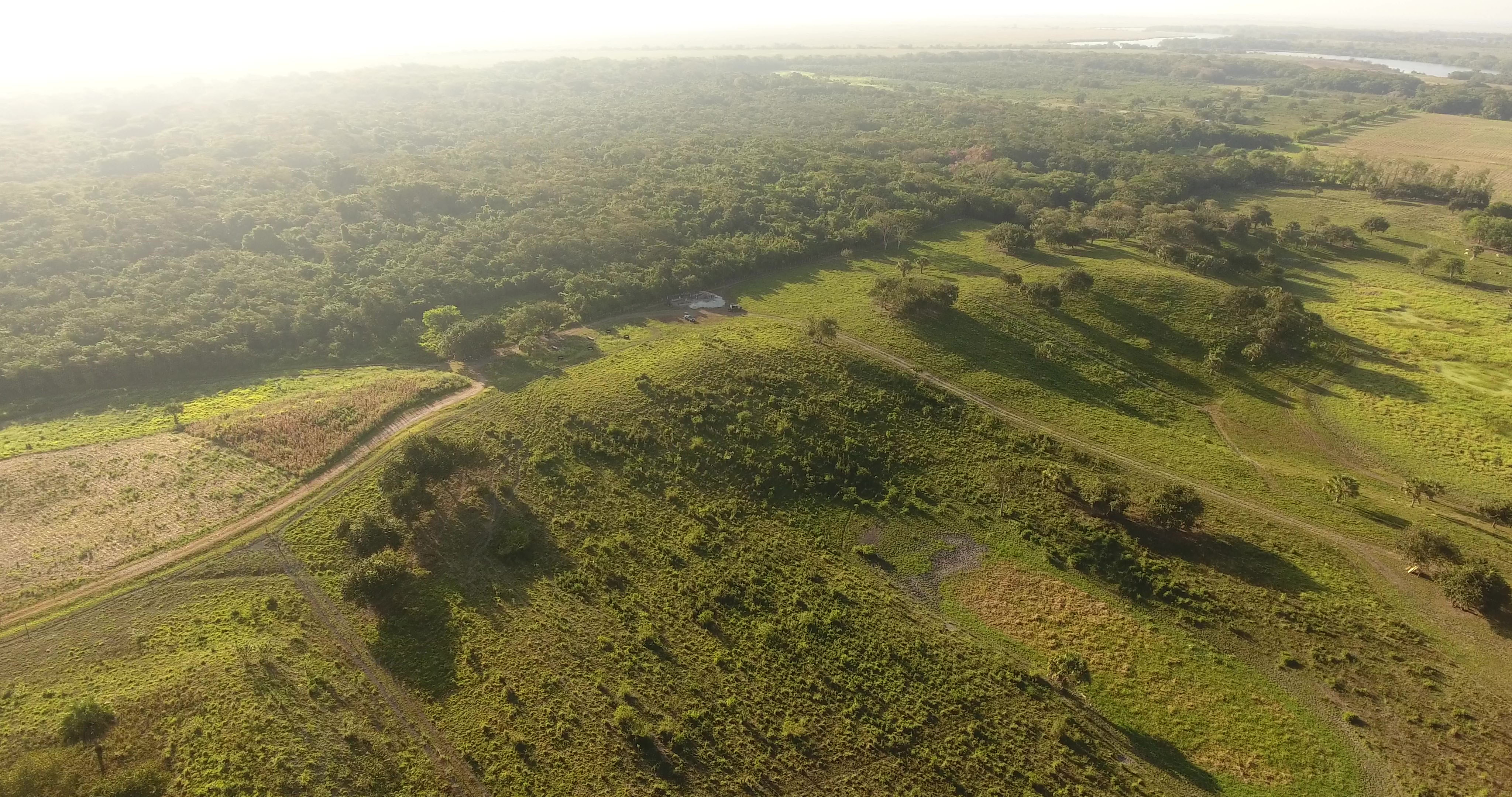
Aerial view of the southwestern part of
the Aguada Fenix Main Plateau. Courtesy of Takeshi Inomata.
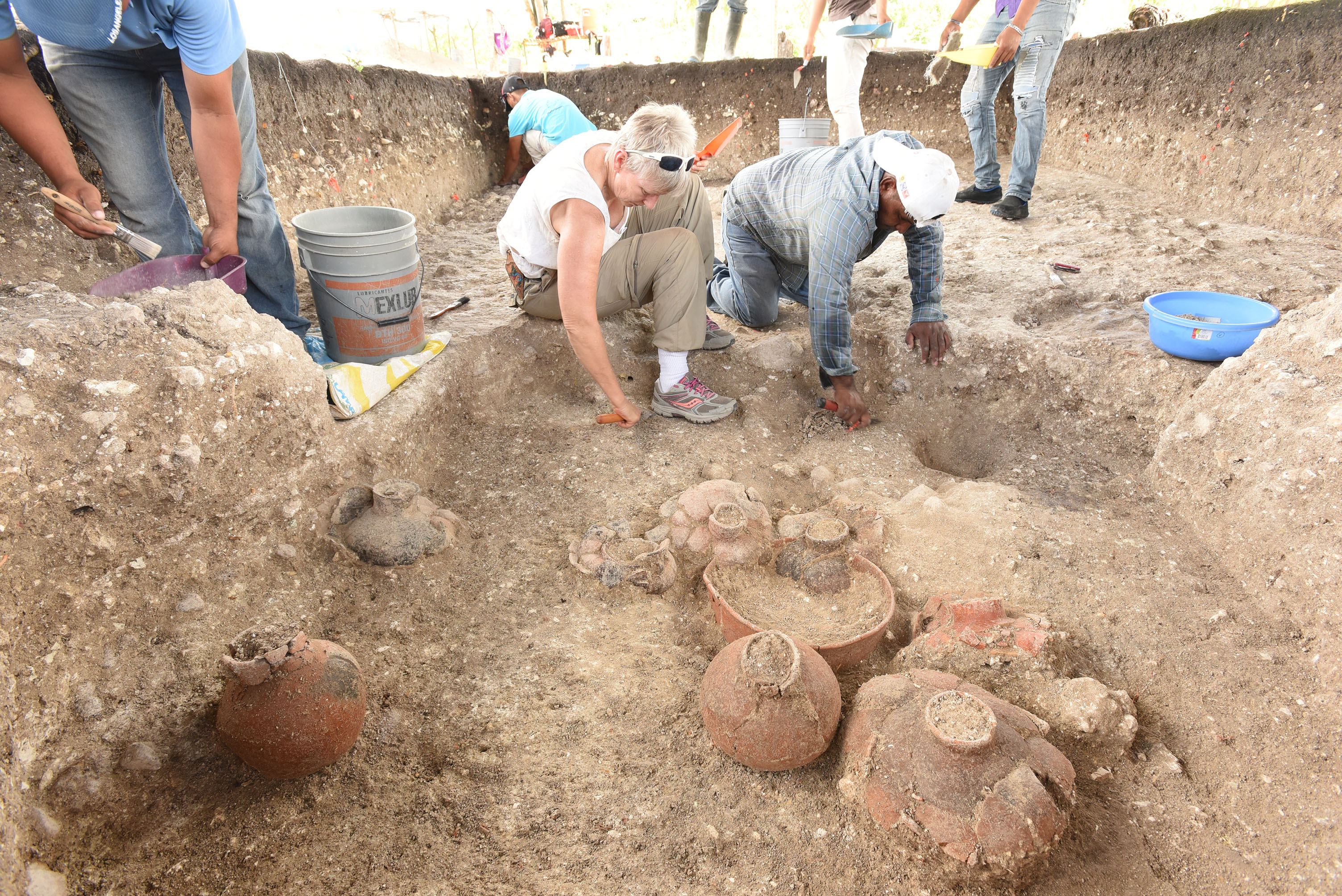
Daniela Triadan (center) excavating with
multiple ceramic vessels at Aguada Fenix. Courtesy of Takeshi
Inomata.
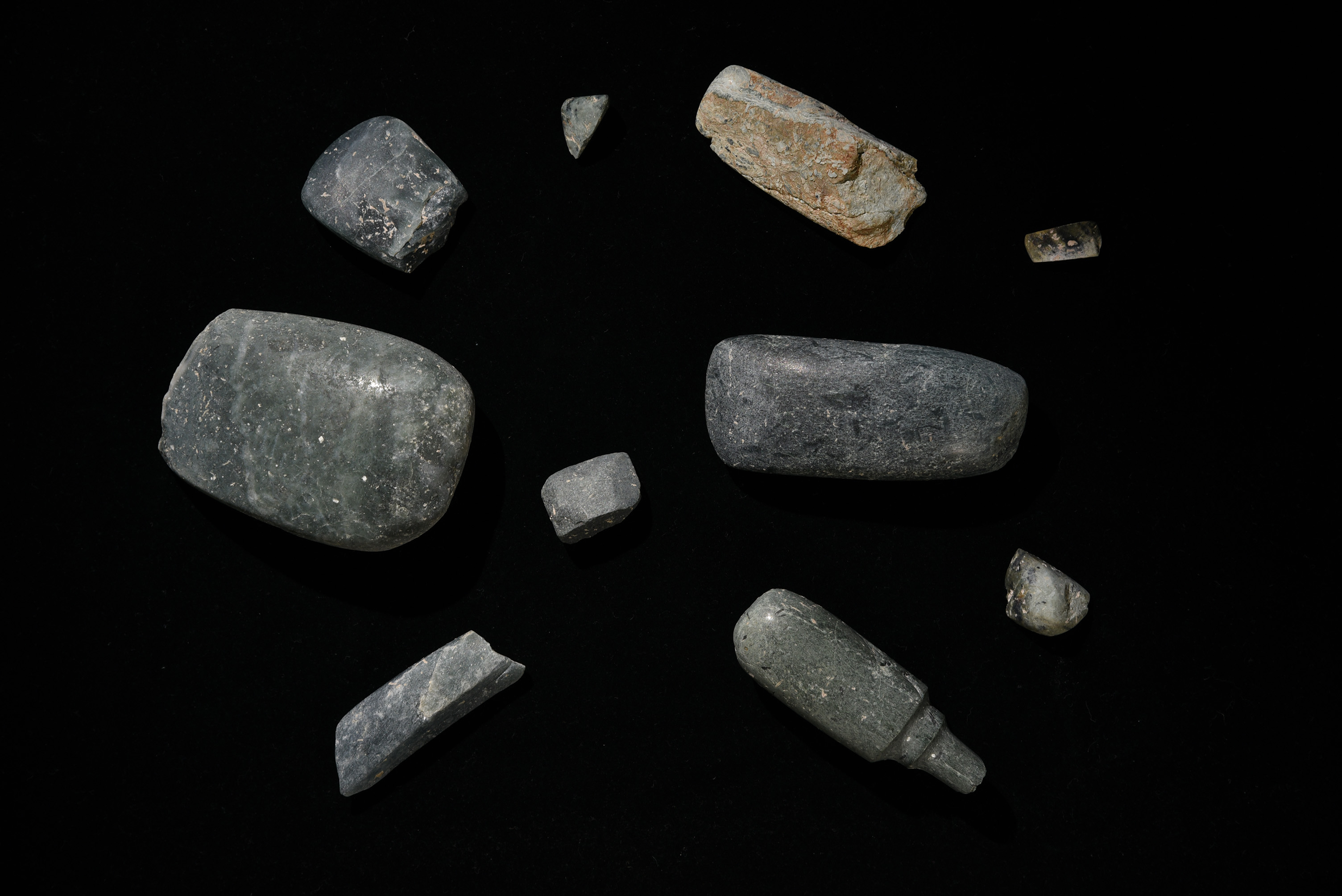
13 greenstone axe dates to early-middle
Preclassic (1000-700 BC) from Aguada Fenix. Courtesy of Takeshi
Inomata.
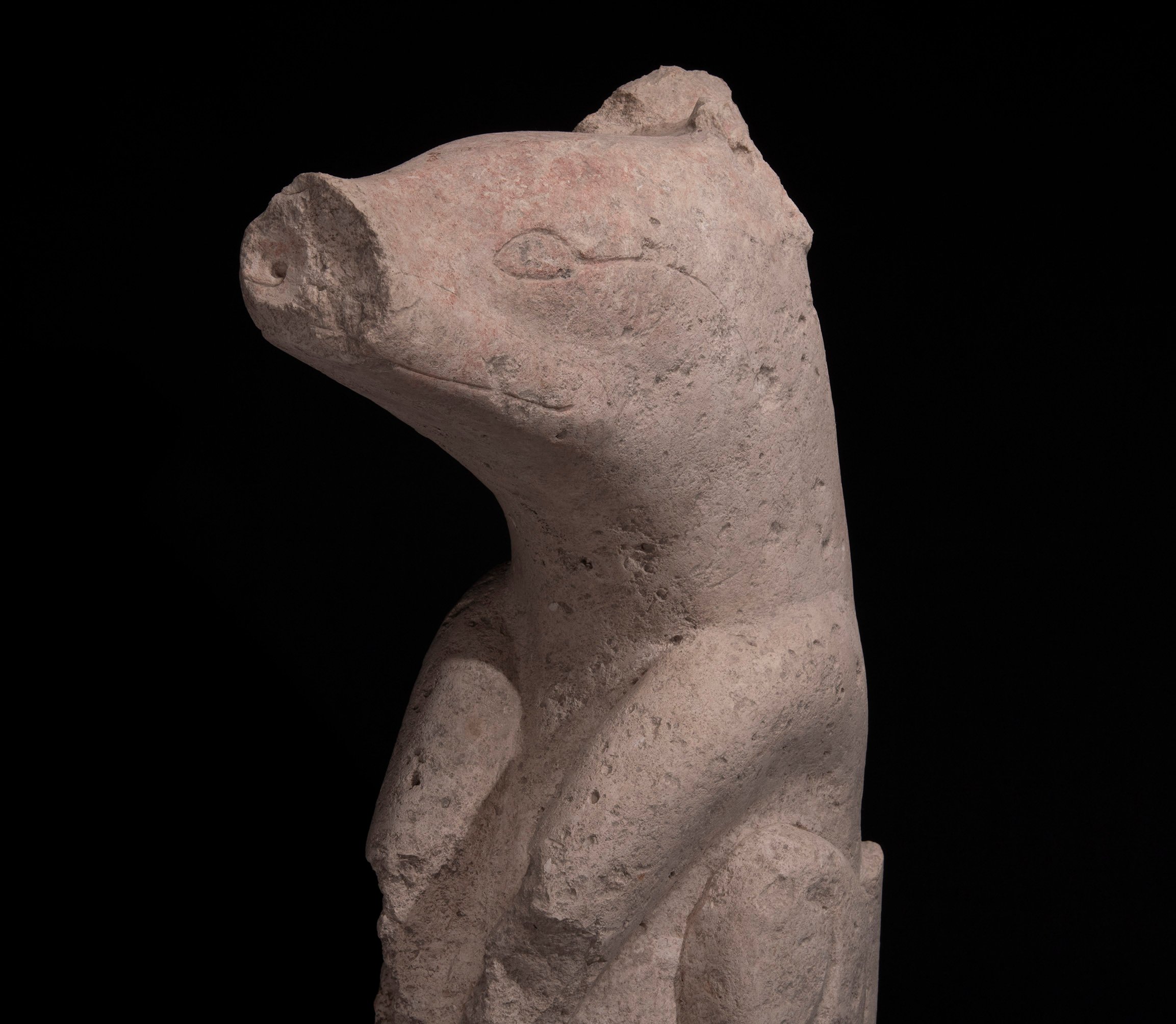
Stone sculpture dating to early
Preclassic (1000-700 BC). 3D image of the site of Aguada. Courtesy
of Takeshi Inomata.
Aerial view of the southwestern part of
the Aguada Fenix Main Plateau. Courtesy of Takeshi Inomata.
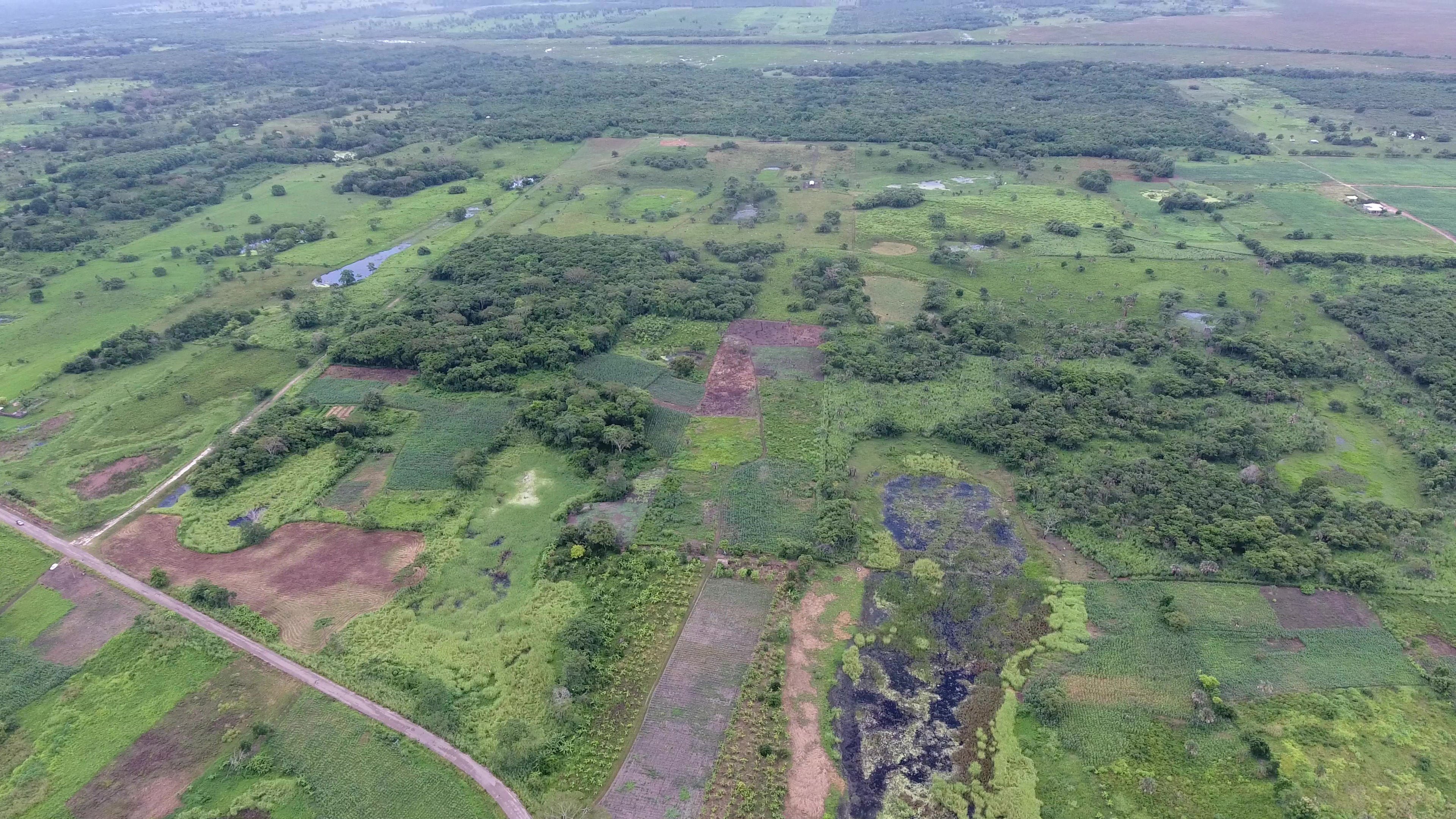
Aerial view of Aguada Fenix. Causeways
and reservoirs in front and the Main Plateau in the back. Courtesy
of Takeshi Inomata.
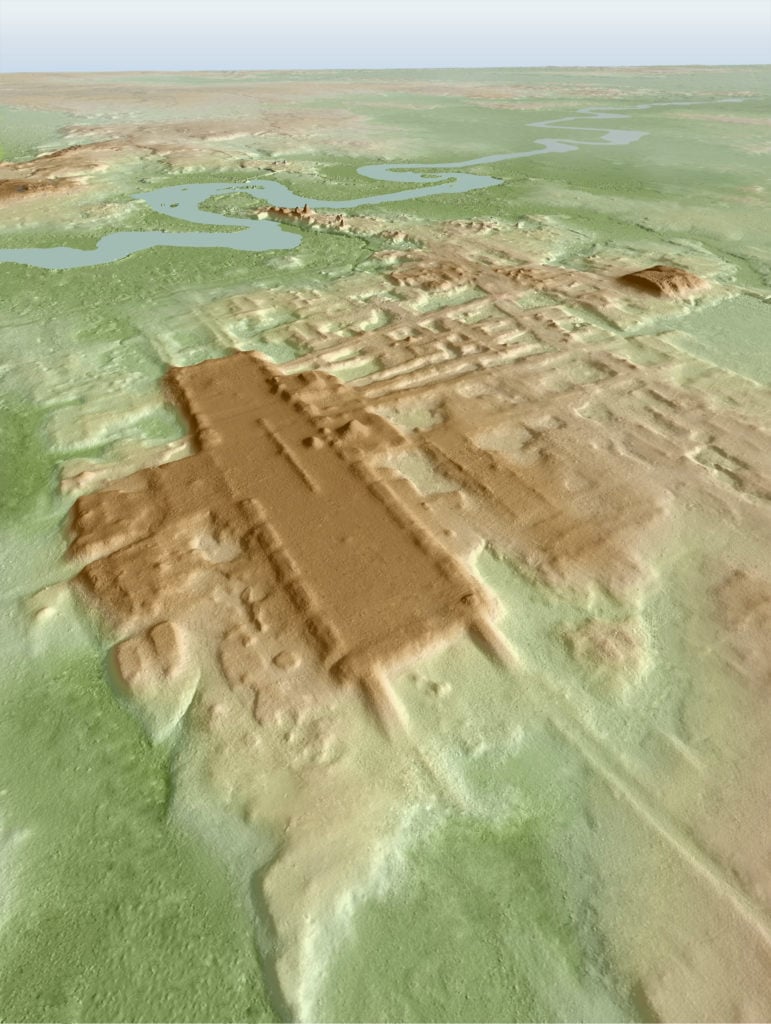
3D image of the site of Aguada. Courtesy
of Takeshi Inomata.
The post Archaeologists Have Discovered the Largest, Oldest
Mayan Monument to Date, and It Appears to Have Been Built by the
People, for the People appeared first on artnet
News.
Read more https://news.artnet.com/art-world/mayan-archaeology-mexico-1879278
Further reading


Leave a comment