
See Inside Turner Contemporary’s New Show Featuring Gee’s Bend Quilts and Other Vital Art from the Deep South
Turner Contemporary in Margate
has revealed details of a new exhibition intended to shed light on
the “little-known history” of work by African-American makers,
whose creative outputs were influenced by the US Civil Rights
Movement of the 1950s and 60s.
Opening in February 2020, “We
Will Walk—Art and Resistance in the American South” includes
paintings, sculptural assemblages, and quilts ranging in date from
the mid-20th century through the present day. All of the artists
either hail from Alabama or one of its surrounding states, which
together comprise a subregion of the US popularly known as the Deep
South—long a hotbed of race relations and civil-rights
resistance.
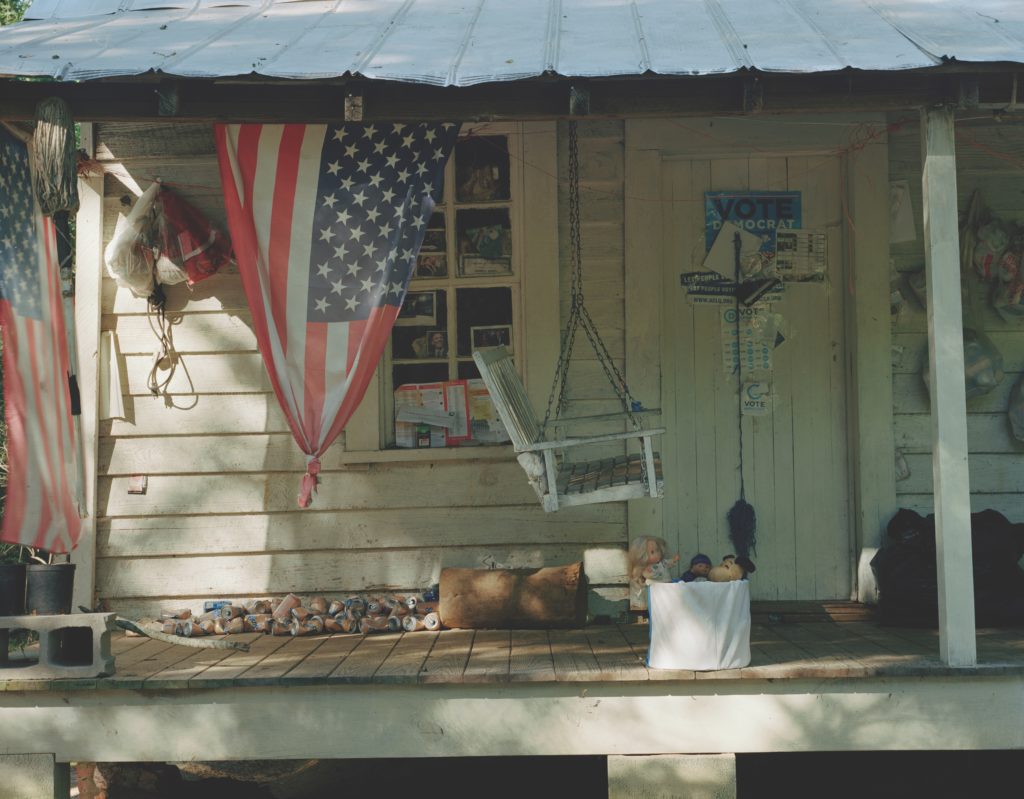
Emmer Sewell’s Porch. Photo by Hannah
Collins. Image Courtesy Turner Contemporary.
The exhibition is the brainchild
of artist Hannah Collins, who spent three years conducting research
after first encountering the works and some of the artists
involved. She is joined by curator Paul Goodwin,
Professor of Contemporary Art and
Urbanism at University of the Arts London; his own specialty,
according to the institution, includes a focus on “fugitive art
practices.”
Collins was inspired in
particular by the idea of the traditional “yard show,” in which
creative practitioners temporarily display their work in outdoor
spaces, including one’s porch or front yard. For example, keep an
eye out in this show for Emmer Sewell’s multimedia sculptures,
incorporating childrens’ dolls, empty beer cans, and flags, which
were originally exhibited outside of her home in Marion County,
Alabama.
Many of the artworks that will
be on view were fashioned from salvaged
materials—including
old clothing or even musical instruments, as in the case of artist
Freeman Vines—and
demonstrate the significance of reusing and remaking, often
dictated by necessity, custom, or culture within
communities.
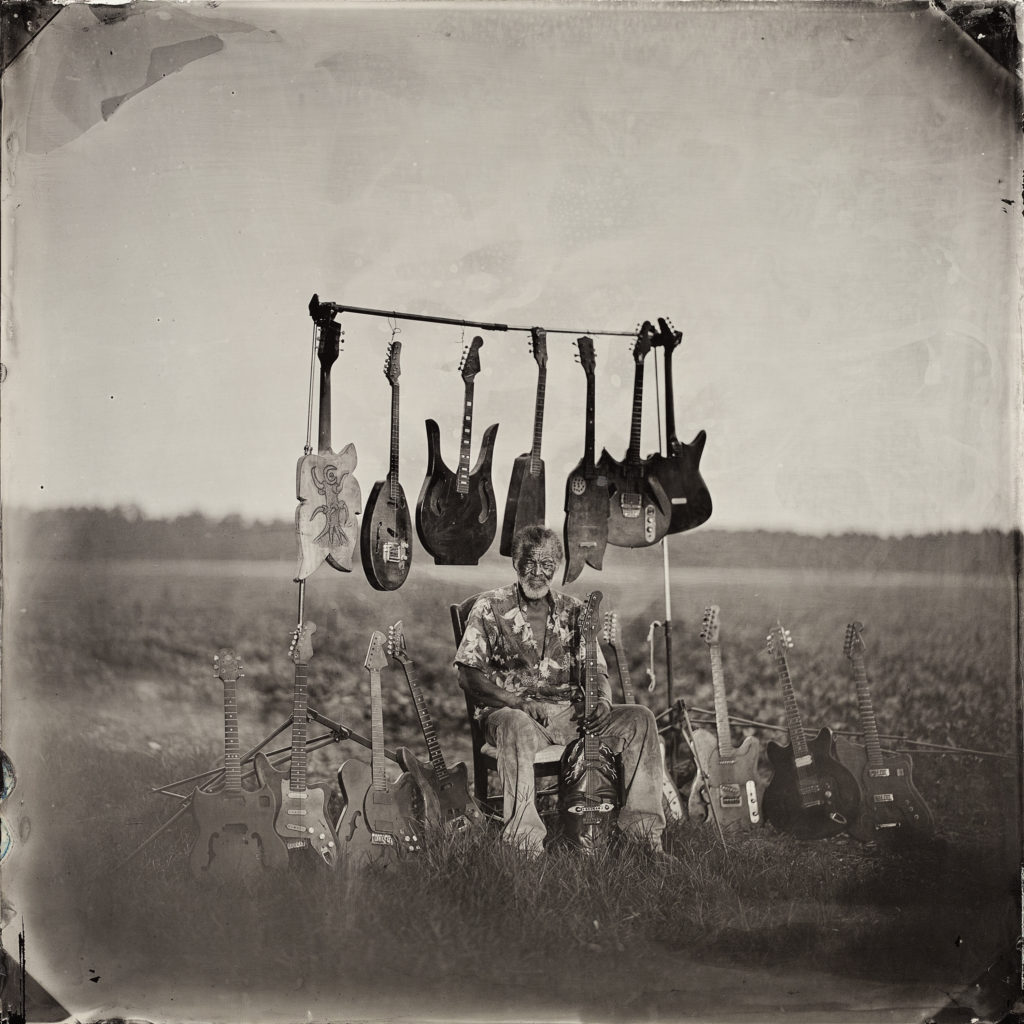
Freeman Vines & His Hanging Tree
Guitars, #2, Fountain, NC. 2015. Image Courtesy Turner
Contemporary.
A series of quilts sourced from
the isolated Alabama enclave of Boykin will also make their UK
debut, following a critically lauded presentation at the Whitney
Museum of American Art in 2002. Boykin, formerly known as Gee’s
Bend, is largely populated by descendents of people enslaved on the
Pettway plantation. The distinctive quilts, typically patched
together from a variety of materials, including blue jeans or
cornmeal sacks, have taken on a hallowed significance as symbols of
resistance and survival.
“These extraordinary artworks
have been hugely influential on the language of subsequent
artists,” said Victoria Pomery, Director of Turner Contemporary, in
a statement. “Bringing this exhibition to Margate highlights the
global importance of creativity and its power to provoke change;
fundamentally altering the course of an individual’s life,
challenging social inequality and inspiring vital
debate.”
of works to be featured in the show.
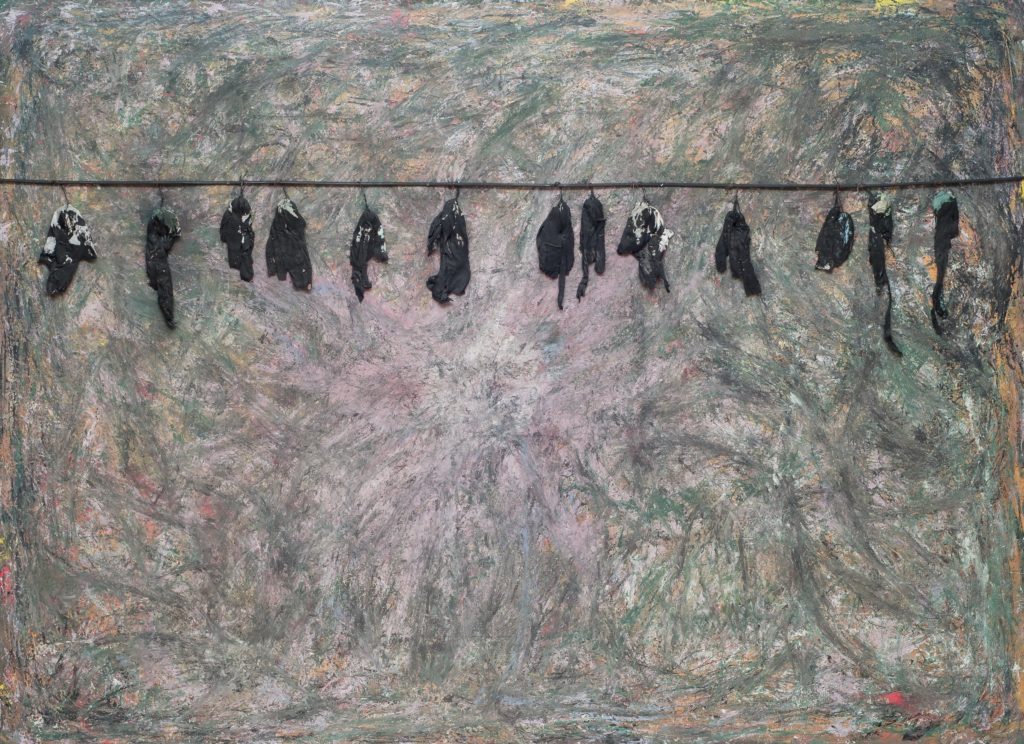
Thornton Dial, Green Pastures – The
Birds That Didn’t Learn How To Fly, 2007. Photo Courtesy of the
High Museum of Art.
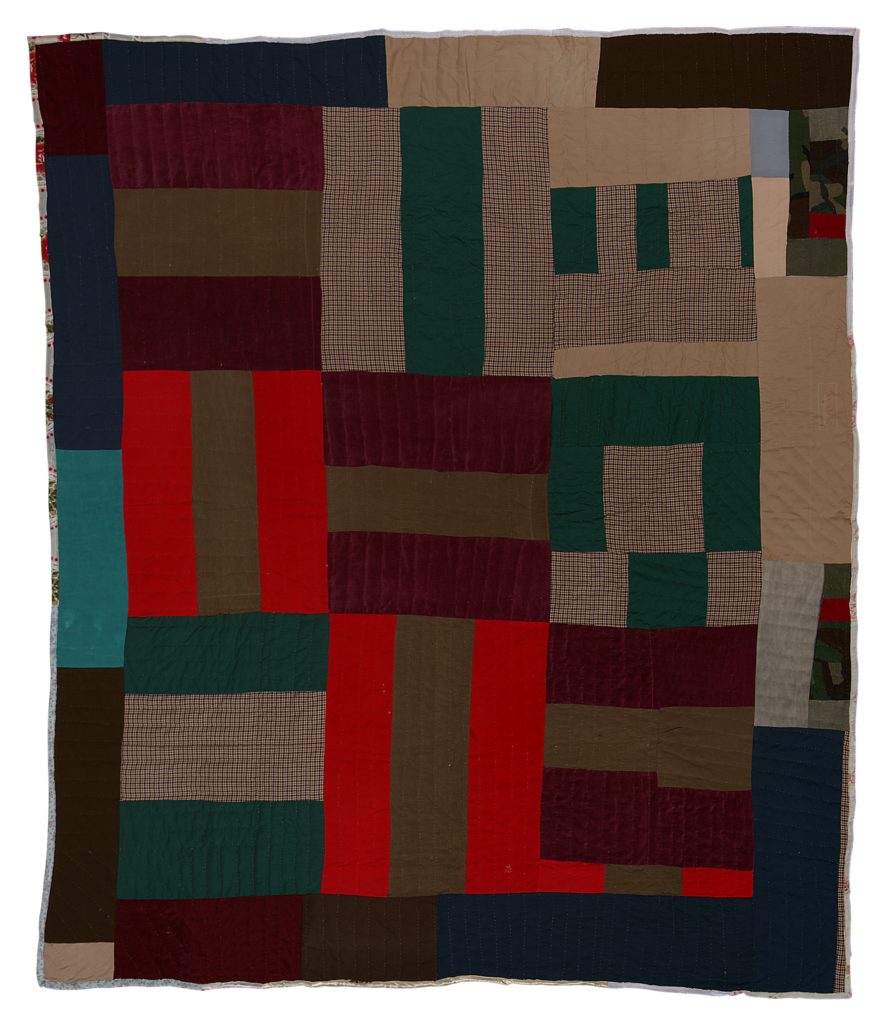
Mary Lee Bendolph, ‘Basket Weave
Variation, (c. 1900), Image Stephen Pitkin, Pitkin Studio.
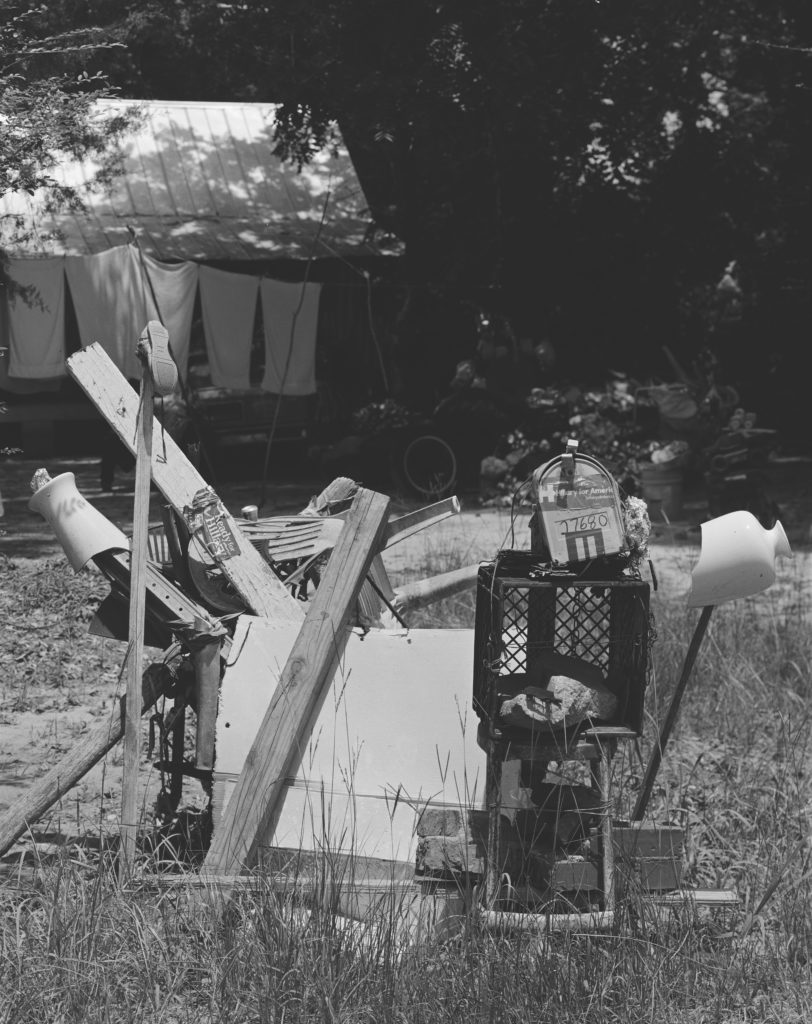
Emmer Sewell’s Yard. Photo by Hannah
Collins. Image Courtesy Turner Contemporary.
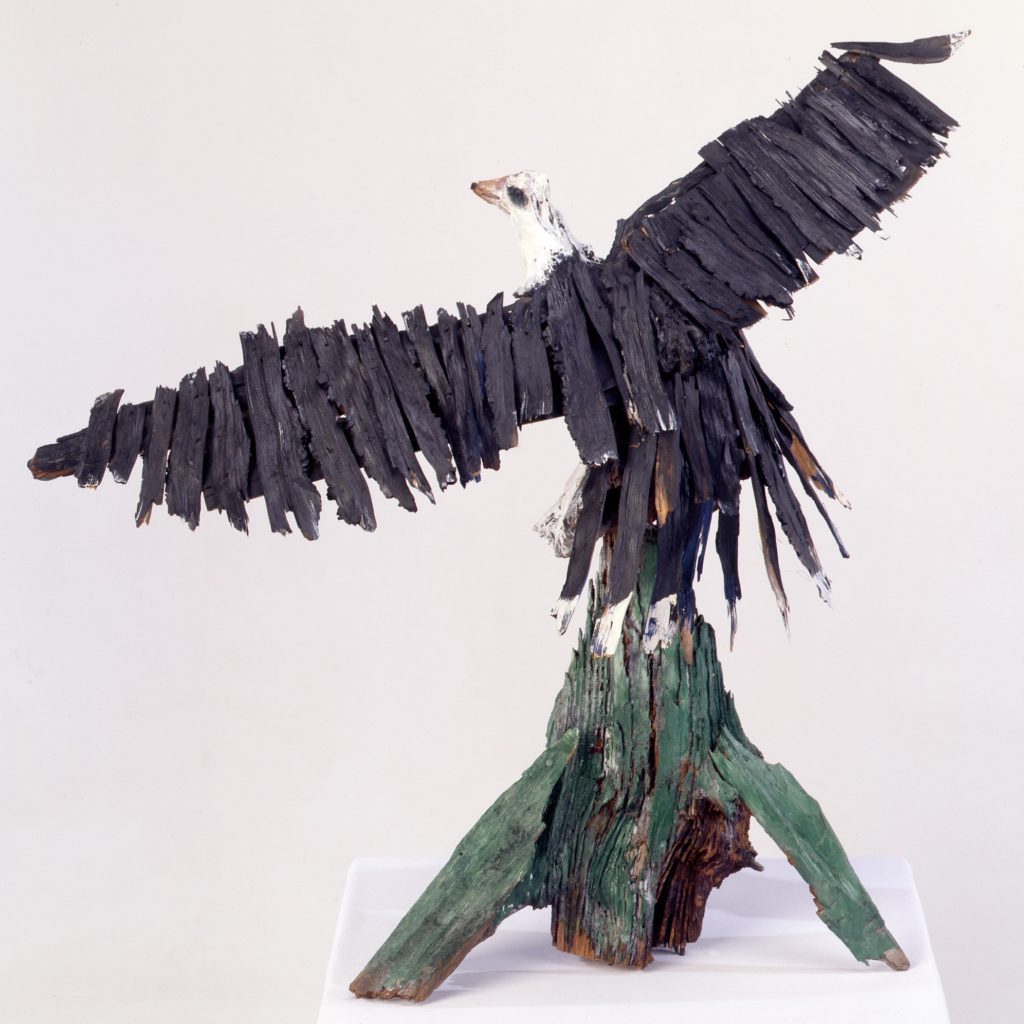
Ralph Griffin, ‘Eagle’, (1988), Image
Stephen Pitkin, Pitkin Studio.
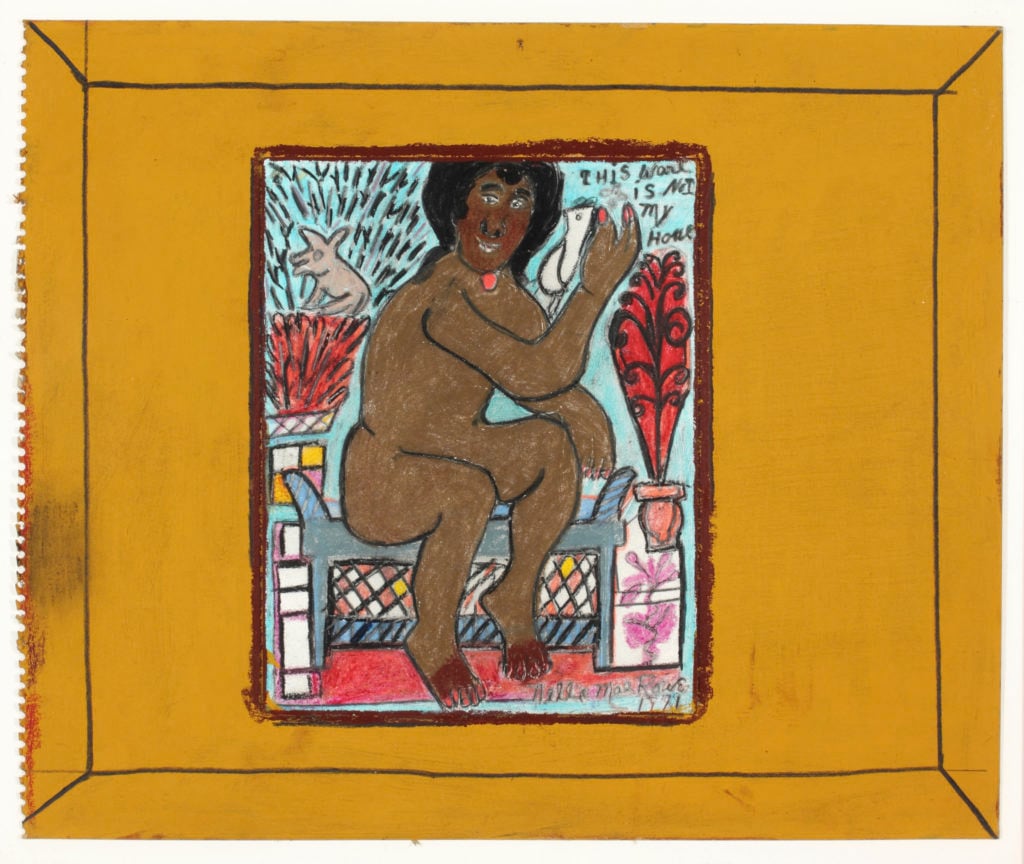
Nellie Mae Rowe, This World is Not My
Home (1979). Photo Courtesy of the High Museum of Art.

Dinah Young’s Yard #2. Photo by Hannah
Collins. Photo Courtesy Turner Contemporary.
The post See Inside Turner Contemporary’s New Show Featuring
Gee’s Bend Quilts and Other Vital Art from the Deep South
appeared first on artnet News.
Read more https://news.artnet.com/art-world/we-will-walk-turner-contemporary-1723881
Further reading


Leave a comment