
Experts in Pompeii Have Discovered a Female Sorcerer’s Mysterious Arsenal of Charms—See Them Here
Archaeologists have discovered an incredible array of amulets,
gems, and lucky charms in Pompeii. Researchers think that the
mysterious trove belonged to a female sorcerer who could have been
a victim of the catastrophic eruption of Mount Vesuvius more than
2,000 years ago.
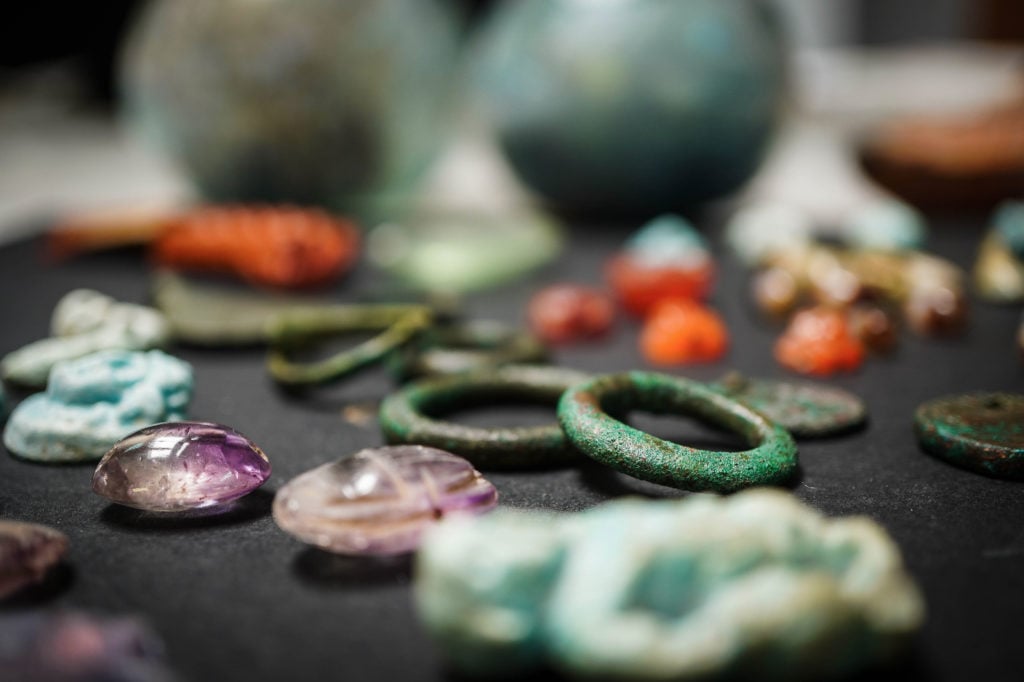
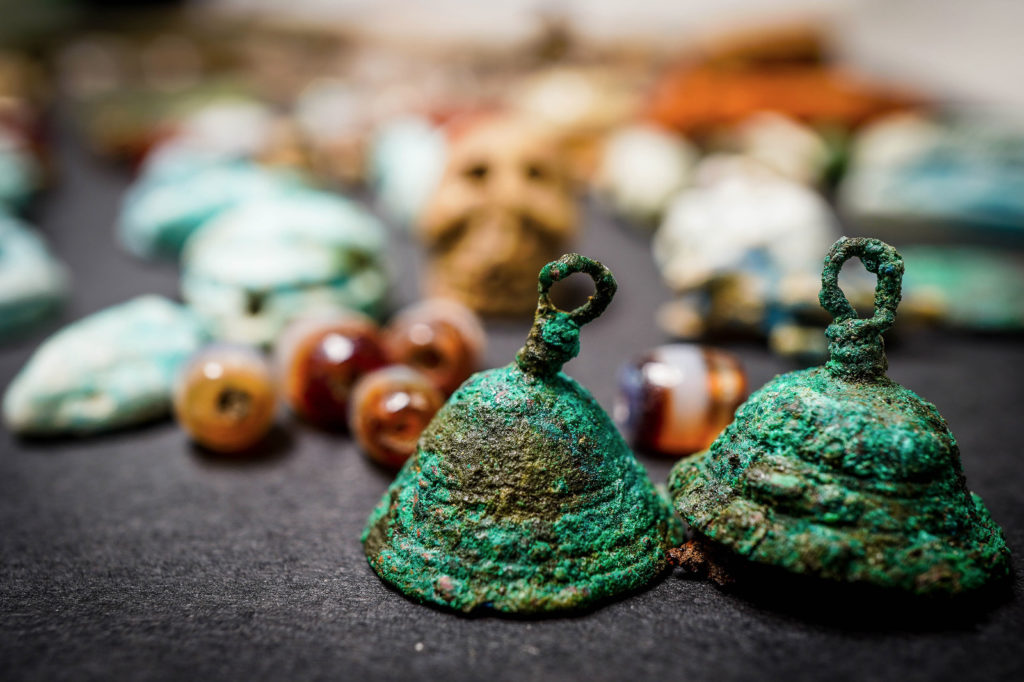
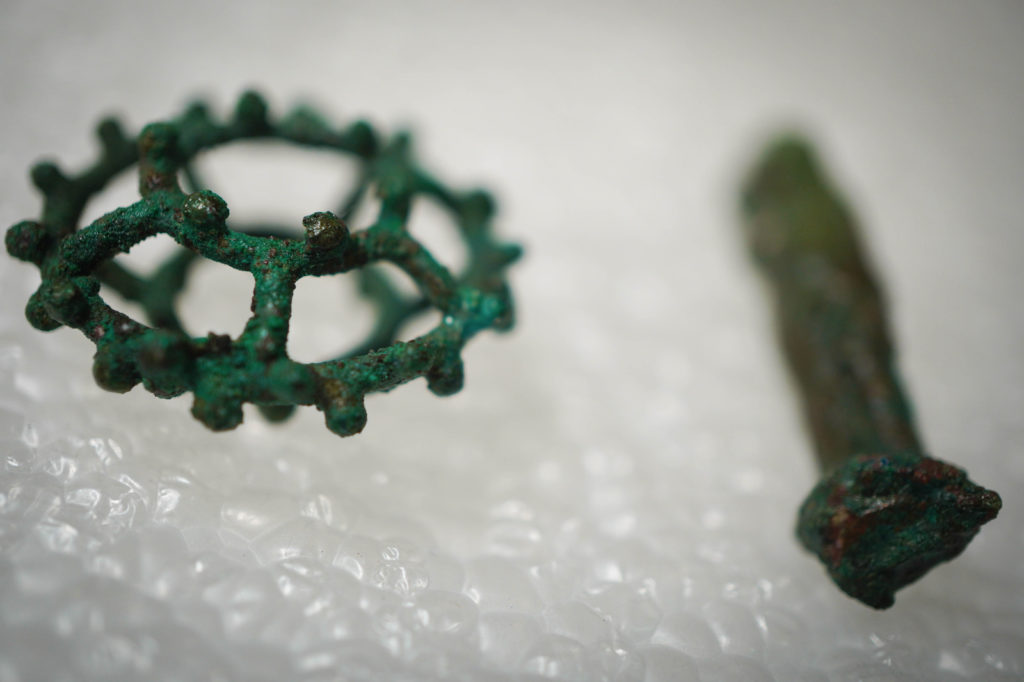
The experts found more than 100 miniature objects in a wooden
crate that had all but decomposed except for its bronze hinges.
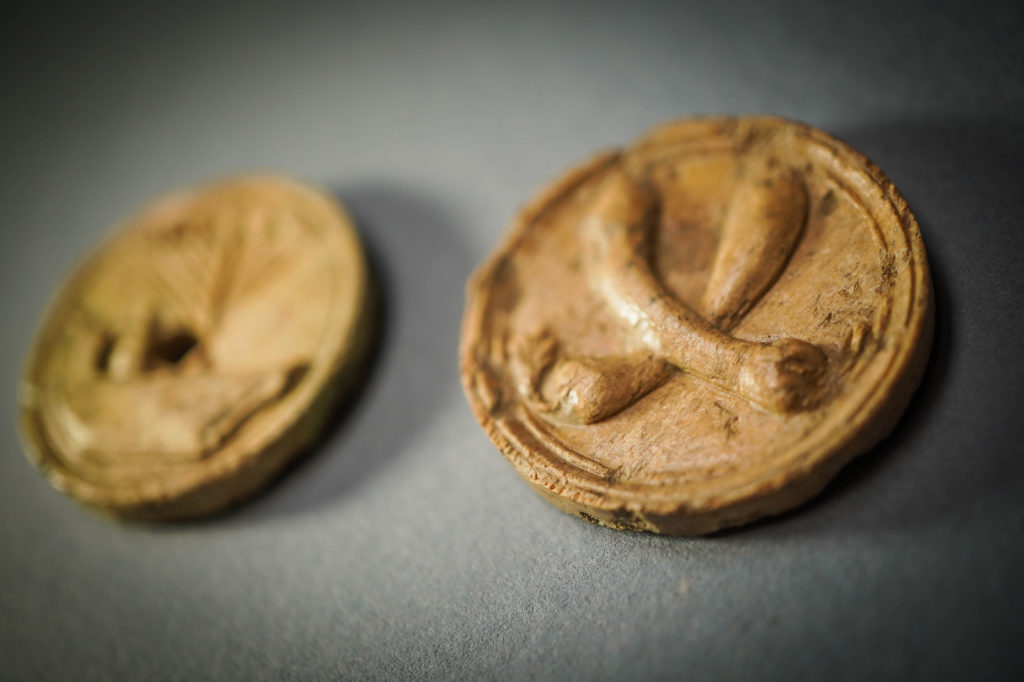
Inside the box was a hoard that includes miniature dolls, phallic
amulets, necklace beads, and a tiny skull among other objects made
of bone, bronze, glass, and amber. The researchers determined
that the amulets would have belonged to a woman, and were likely
used for adornment or protection in the years before Mount Vesuvius
erupted in AD 79, burying the city and its population in
volcanic ash.
“They are objects of everyday life in the female world and are
extraordinary because they tell micro-stories and biographies of
the inhabitants of the city who tried to escape the eruption,” said
Pompeii’s general director, Massimo Osanna, in a statement. In the
same house, the team discovered a room containing the bodies of ten
victims, which included women and children. Using DNA analysis,
archaeologists are trying to establish if the victims were
related.
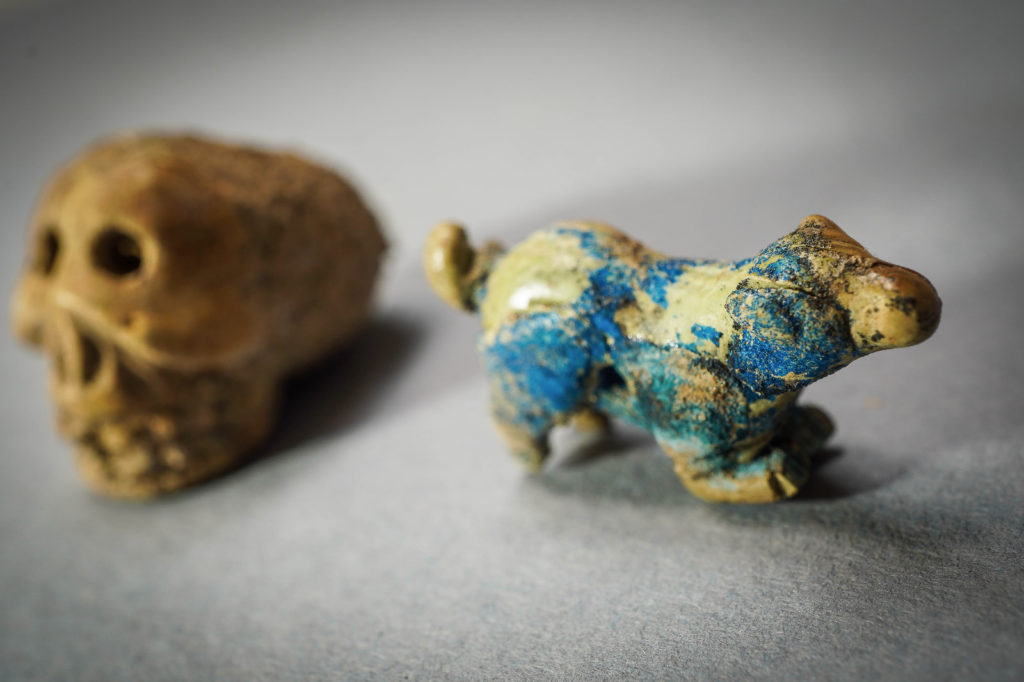
Courtesy Cesare Abbate (ANSA).
“Perhaps the precious box belonged to one of these victims,”
Osanna suggested. The iconography of the objects and amulets invoke
fortune, fertility, and protection against bad luck, Osanna said.
He suggested to the Italian news agency Ansa that it
could have been a “sorcerer’s treasure trove.”
Because there was no gold found in the trove, it was likely the
objects belonged to a servant or a slave, rather than the owner of
the house, Osanna told Ansa.
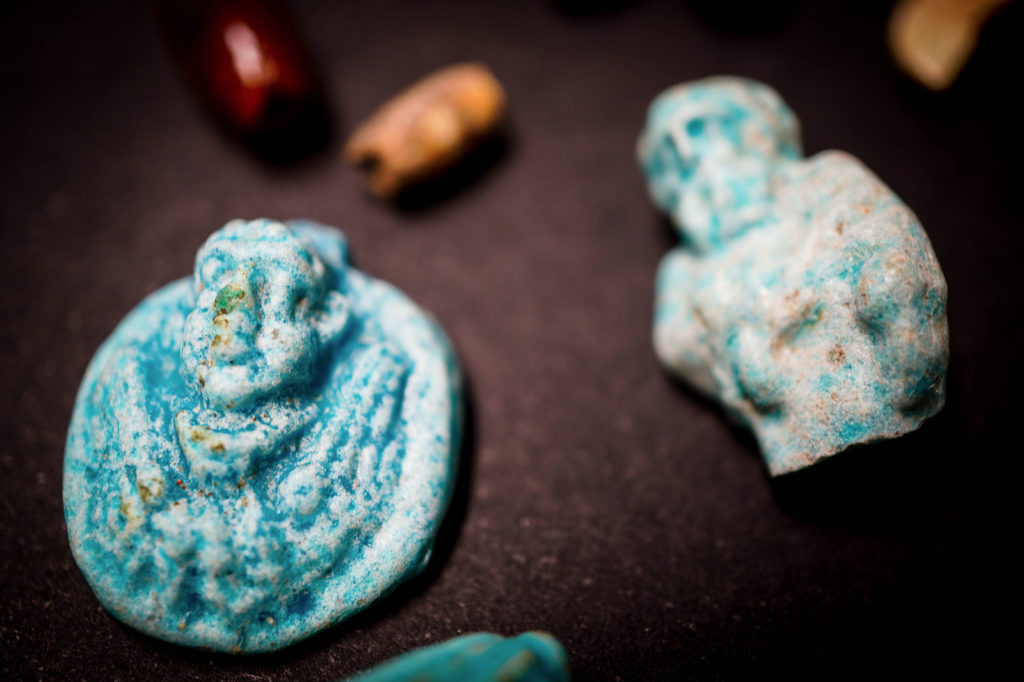
Many of the objects are symbols of fertility and love. There are
also bones from birds, likely used in rituals, as well as an “evil
eye.” Some pieces depict Egyptian-style Scarab beetles, a symbol
used by Romans to protect pregnant women and newborn children. The
cache also contained a small head depicting Dionysus, the
Greek god of wine, fertility, and ritual madness, as well as a
dancing satyr delicately carved into glass.
The jewelry will go on display soon at Pompeii’s Palestra Grande
(large gymnasium) in an exhibition set to be a follow-up to its
recently closed show on Roman jewelry called “Vanity.”
See more items from the trove below.
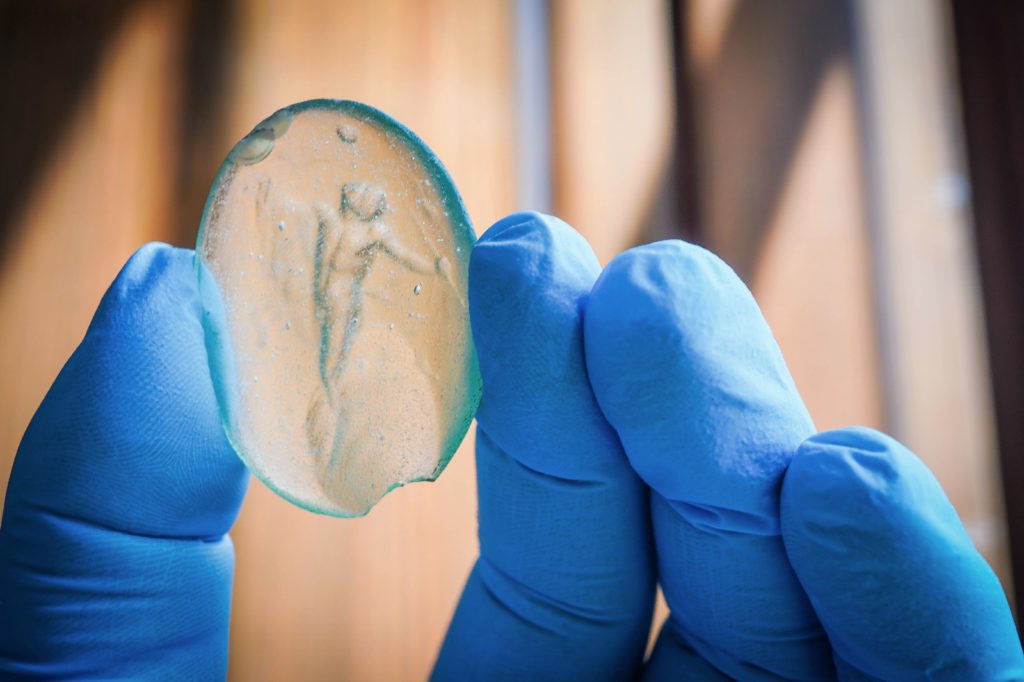
Courtesy Cesare Abbate (ANSA).
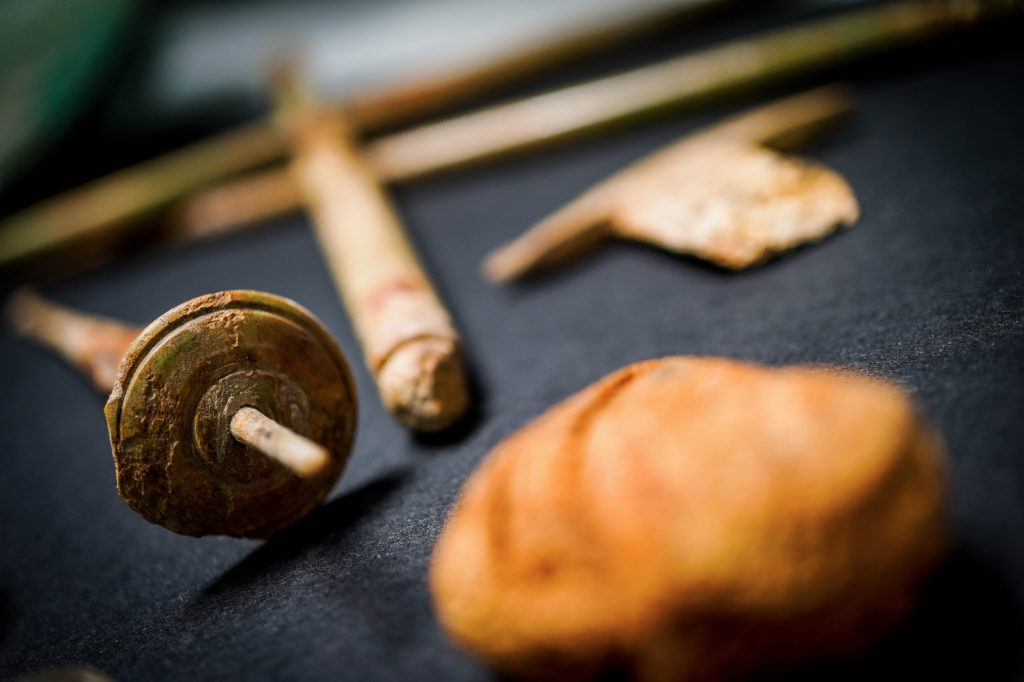
Courtesy Cesare Abbate (ANSA).
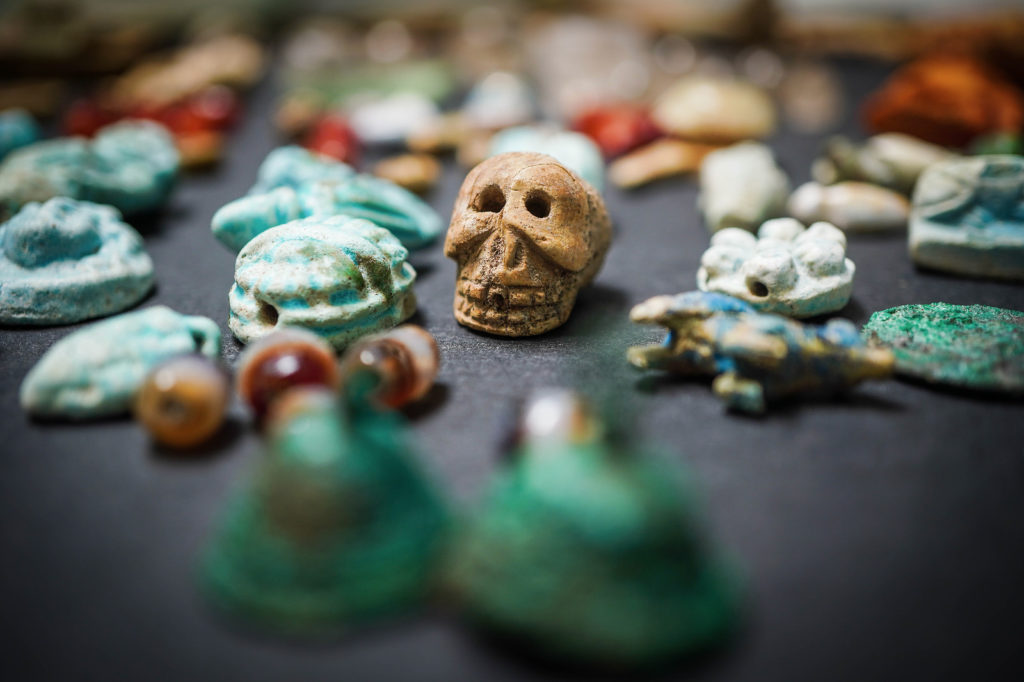
Courtesy Cesare Abbate (ANSA).
Courtesy Cesare Abbate (ANSA).
Courtesy Cesare Abbate (ANSA).
Courtesy Cesare Abbate (ANSA).
Courtesy Cesare Abbate (ANSA).
Courtesy Cesare Abbate (ANSA).
The post Experts in Pompeii Have Discovered a Female
Sorcerer’s Mysterious Arsenal of Charms—See Them Here appeared
first on artnet News.
Read more https://news.artnet.com/art-world/sorcerer-trove-discovered-pompeii-1623607
Further reading


Leave a comment