
History’s First Female Filmmaker Has Been Rescued From Obscurity Thanks to an Enlightening New Jodie Foster-Narrated Documentary
A lost piece of cinematic history has been uncovered in a new
documentary. Be Natural: The Untold Story
of Alice Guy-Blaché, out on DVD and video-on-demand
today, tells the story of Alice Guy-Blaché (1873–1968), cinema’s
first female director.
Narrated by Jodie Foster and produced and directed by Pamela B.
Green, the film follows Green as she criss-crosses the country on a
quest to track down the French filmmaker’s lost relations (her
grandson-in-law is now an aging biker in Arizona) and fill
in missing gaps in the director’s biography. It
includes never-before-seen interviews with Guy-Blaché and her
daughter, as well as numerous Hollywood A-listers.
The result is a compelling portrait of an industry in its
infancy and of a woman who not only excelled at her craft, but who
helped define it. Guy-Blaché, whose number one instruction to
her actors was to “be natural” (the phrase was written in giant
letters on a sign on a studio wall), was among the first filmmakers
to use close-ups, hand-tinted color, and synchronized sound.
Born in 1873, Guy-Blaché trained as a stenographer after
her father died. At 22, she got a job working at what became
Gaumont Film Company, the first film studio in history, founded in
1895. When the Lumière brothers presented one of world’s first
films, Workers Leaving
the Lumière Factory, in a private screening for friends and
colleagues on March 22, 1895, Guy-Blaché was there.
Though she knew nothing about photography, she understood better
than perhaps anyone in attendance the potential of this new
technology. It could clearly capture scenes of everyday life. But
what if it was used to tell a story?
With company co-founder Léon Gaumont’s
permission, Guy-Blaché directed La Fée aux Choux (The
Cabbage Fairy), likely the world’s first narrative film, in
1896. She quickly became the company’s head of production,
directing hundreds of films over the next ten years, and over a
thousand in all.
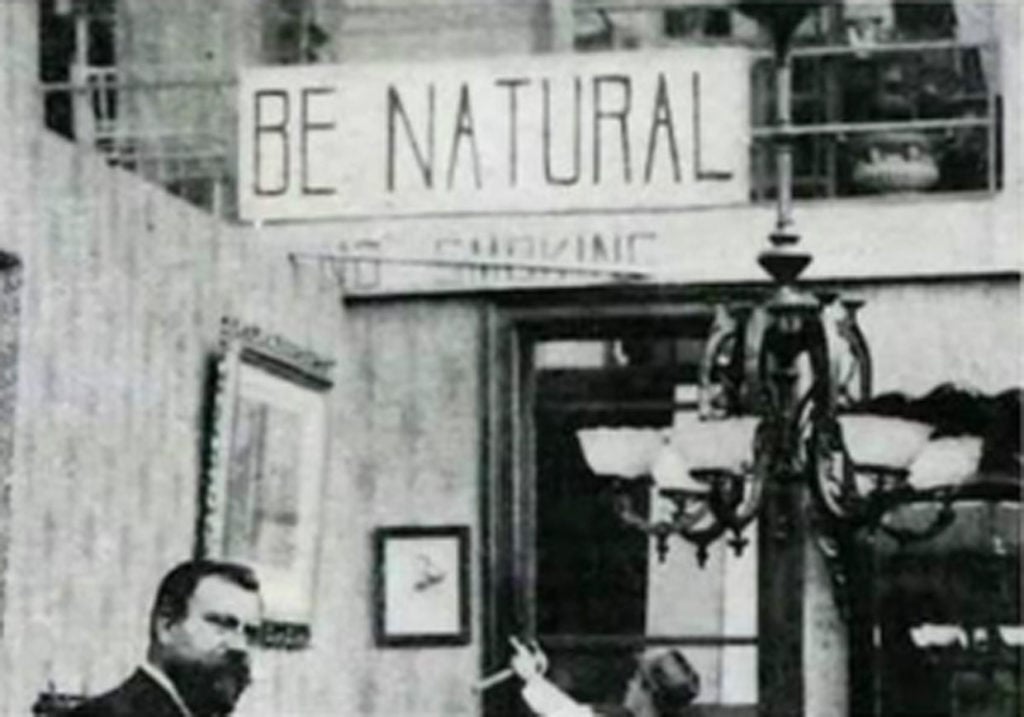
The “Be Natural” sign in Alice
Guy-Blaché’s Solax studio, as seen in the documentary Be
Natural: The Untold Story of Alice Guy-Blaché. Courtesy of
Zeitgeist Films/Kino Lorber.
After marrying British-American cameraman Herbert Blaché in
1907, Guy-Blaché moved to the US, opening her own studio, the
Solax Company, first in Flushing, Queens, and then in Fort Lee, New
Jersey, an early center for the film industry. Among her
groundbreaking films was A Fool and His Money,
believed to be the first movie with an all-African American
cast, in 1912. (White actors refused to work on the project.)
Given the paucity of female directors working in 2019, it seems
almost inconceivable that a woman would have had ever such a
prominent role in the film industry. But Guy-Blaché had the
good fortune of being at the right place at the right time. Because
film wasn’t an established field, it was easier for a woman to gain
entry, at least at first.
Guy-Blaché’s role in the birth of cinema was tragically almost
lost to history in part because of the fragility of the medium.
Because old films are combustible, very few pictures made
before World War I have survived, and they are expensive to
conserve and convert. But later historians also did a disservice
to Guy-Blaché by attributing her work to her male assistants,
or even to her husband. Even Gaumont left her out of its official
history.
In her later years, Guy-Blaché fought to be recognized for her
contributions, but met with little success. Although the Museum of
Modern Art in New York screened a selection of her
Solax films in 1985 and several books have been published
about her legacy, she has remained mostly an obscure figure. The
great director died in Wayne, New Jersey, at the age of 94,
forgotten by the very industry that she helped create.
Green set out to make Be Natural in 2012,
determined to rescue Guy-Blaché from oblivion. In doing so,
she became equal parts historian, detective, and investigative
reporter. The finished film, which debuted at the 2018 Cannes Film
Festival, illustrates Guy-Blaché’s artistry, her business acumen,
and her lasting influence on the cinema.
See the film’s trailer and more photos of Guy-Blaché and
her films below.
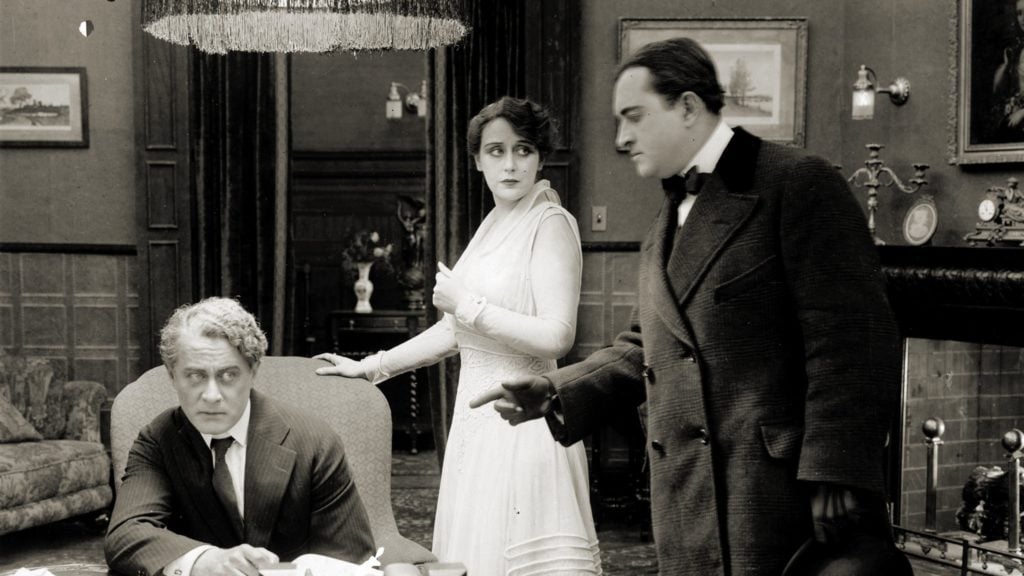
A scene from Alice Guy Blaché’s The
Scarlet Woman (1916). Courtesy of Zeitgeist Films/Kino
Lorber.
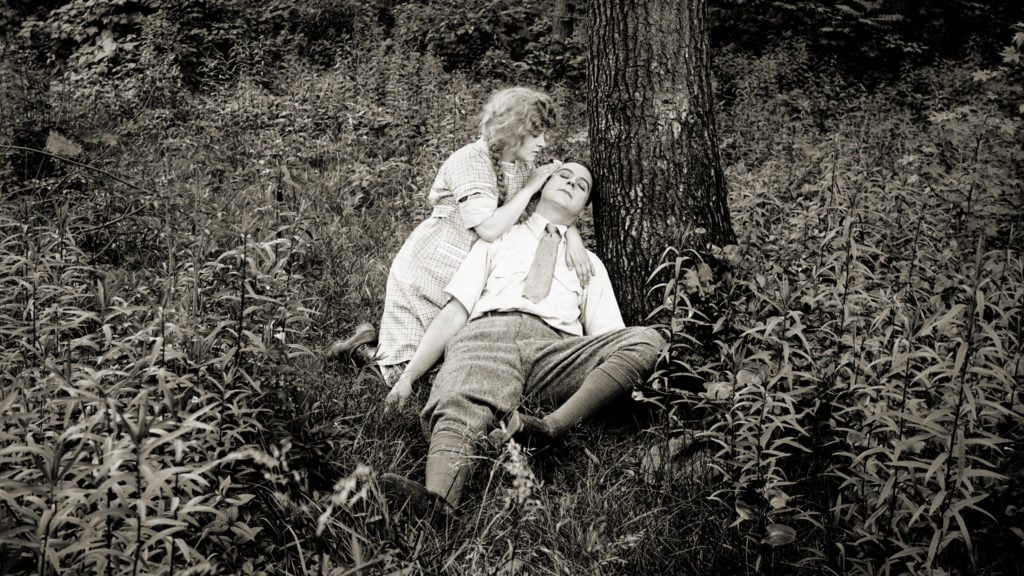
A scene from Alice Guy Blaché’s When
You and I Were Young (1917). Courtesy of Zeitgeist Films/Kino
Lorber.
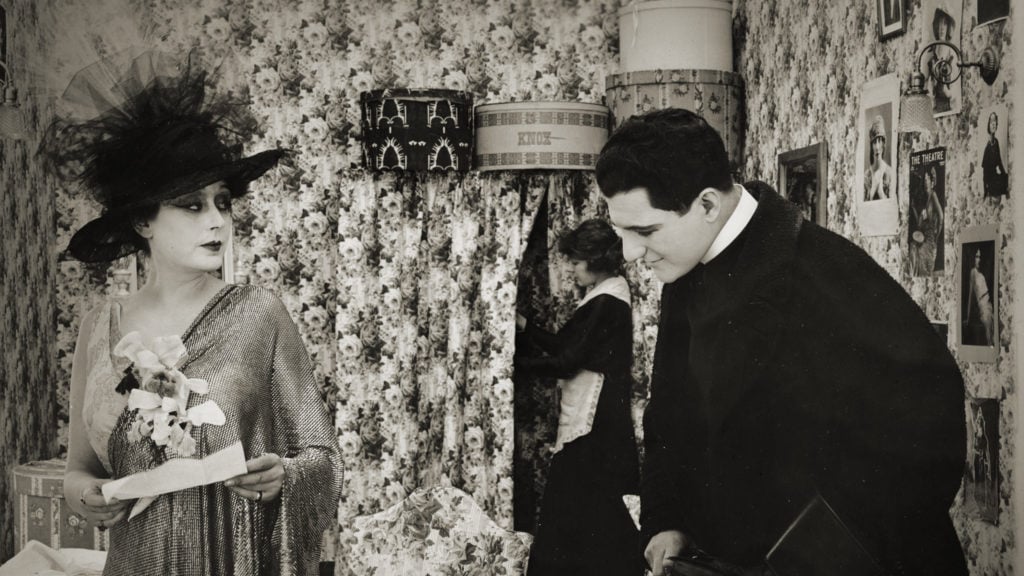
A scene from Alice Guy Blaché’s Soul
Market (1916). Courtesy of Zeitgeist Films/Kino Lorber.
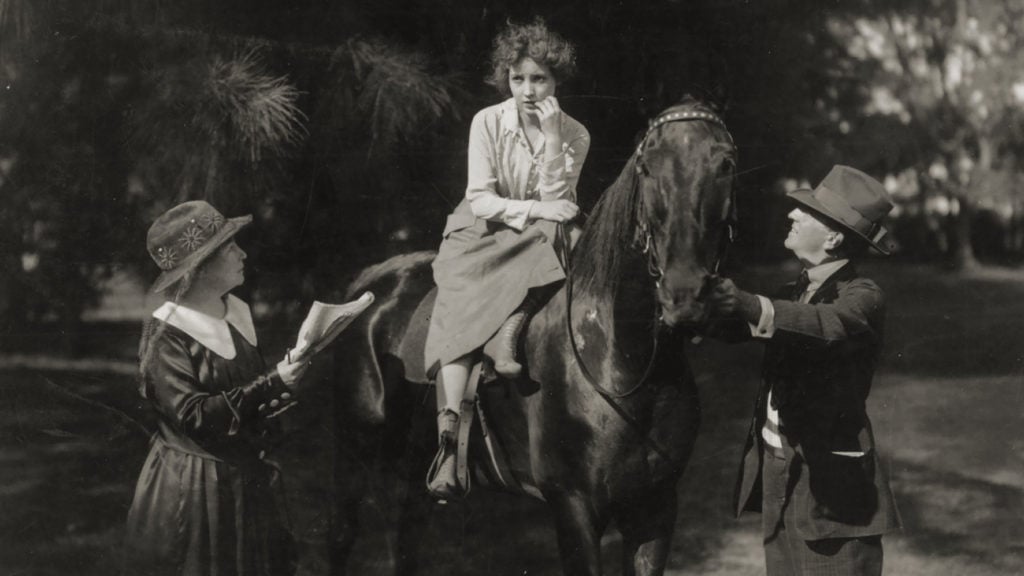
A scene from Alice Guy Blaché’s
Bessie Love in Great Adventure (1918). Courtesy of
Zeitgeist Films/Kino Lorber.
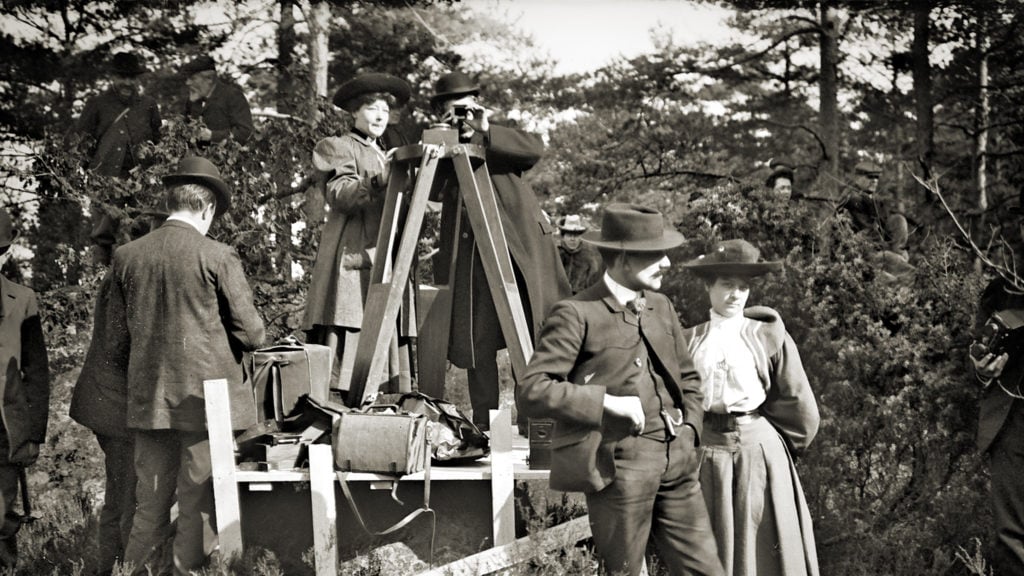
Alice Guy Blaché on the set of her film
Life of Christ (1906). Courtesy of Zeitgeist Films/Kino
Lorber.
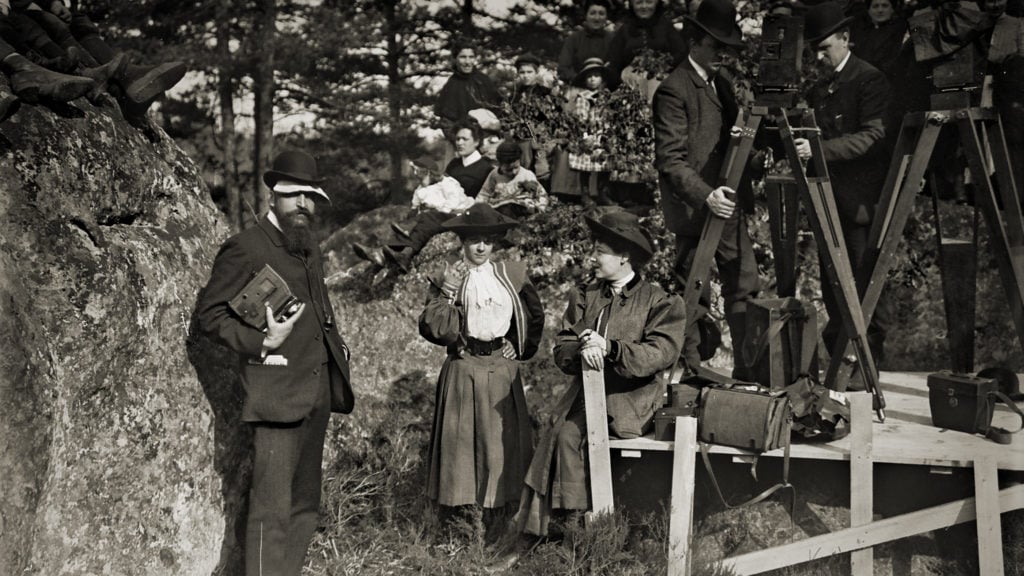
Alice Guy Blaché on the set of her film
Life of Christ (1906). Courtesy of Zeitgeist Films/Kino
Lorber.
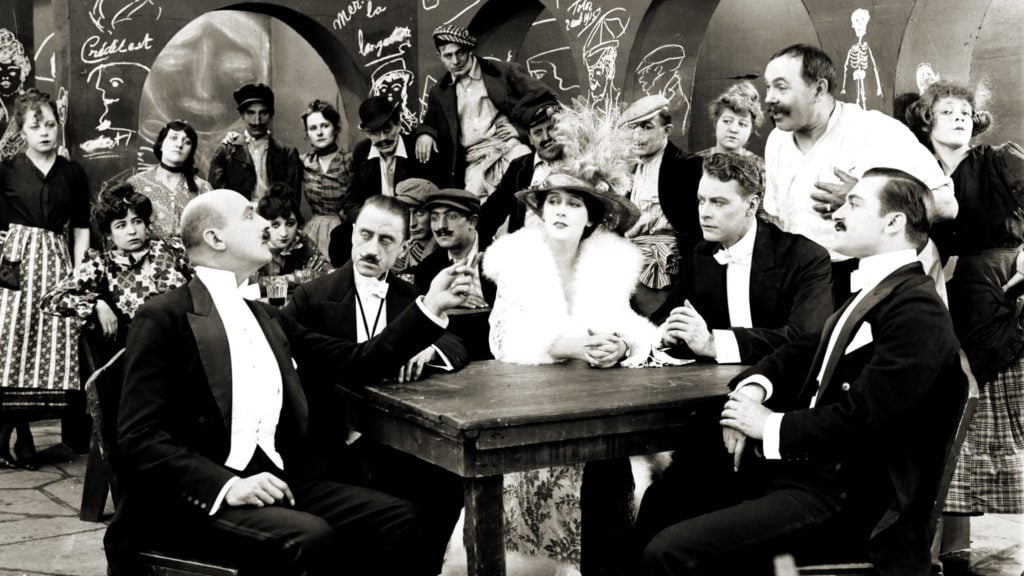
A scene from Alice Guy Blaché’s
Black Butterfly (1916). Courtesy of Zeitgeist Films/Kino
Lorber.
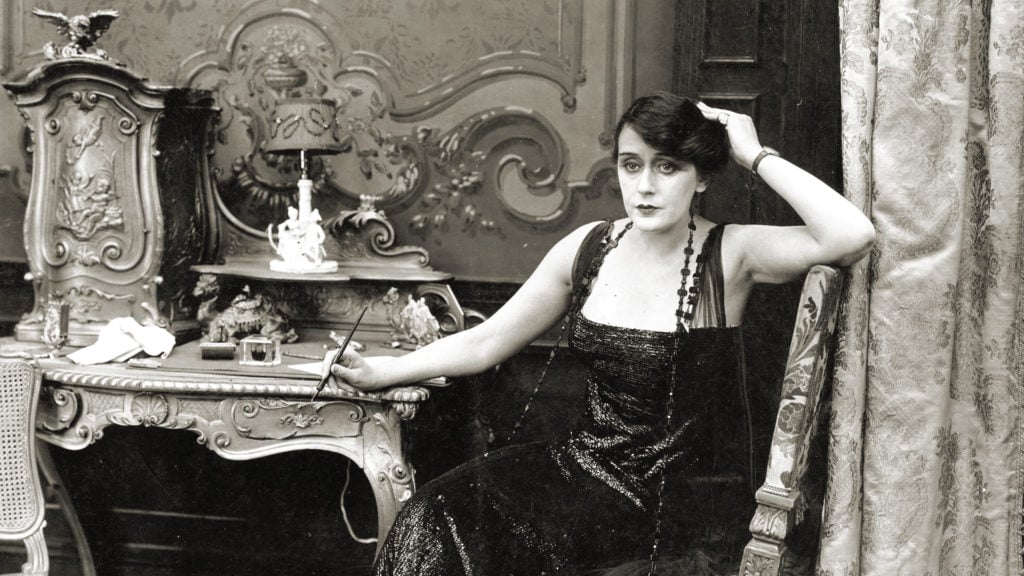
A scene from Alice Guy Blaché’s
Playing With Fire (1916). Courtesy of Zeitgeist Films/Kino
Lorber.
The post History’s First Female Filmmaker Has Been Rescued
From Obscurity Thanks to an Enlightening New Jodie Foster-Narrated
Documentary appeared first on artnet News.
Read more https://news.artnet.com/art-world/alice-guy-blache-pioneering-female-filmmaker-1629004
Further reading


Leave a comment