
Three Enchantingly Painted Houses in the Lost City of Pompeii Are Finally Open to the Public After a 40-Year Restoration Project
Three archaeological marvels at
Pompeii, the ancient Roman city razed by the eruption of
Mount
Vesuvius in 79 AD,
have reopened to the public following a 40-year conservation
effort.
Calling it a “story of rebirth
and redemption,” the Italian Ministry of Culture and Tourism
unveiled a trio of
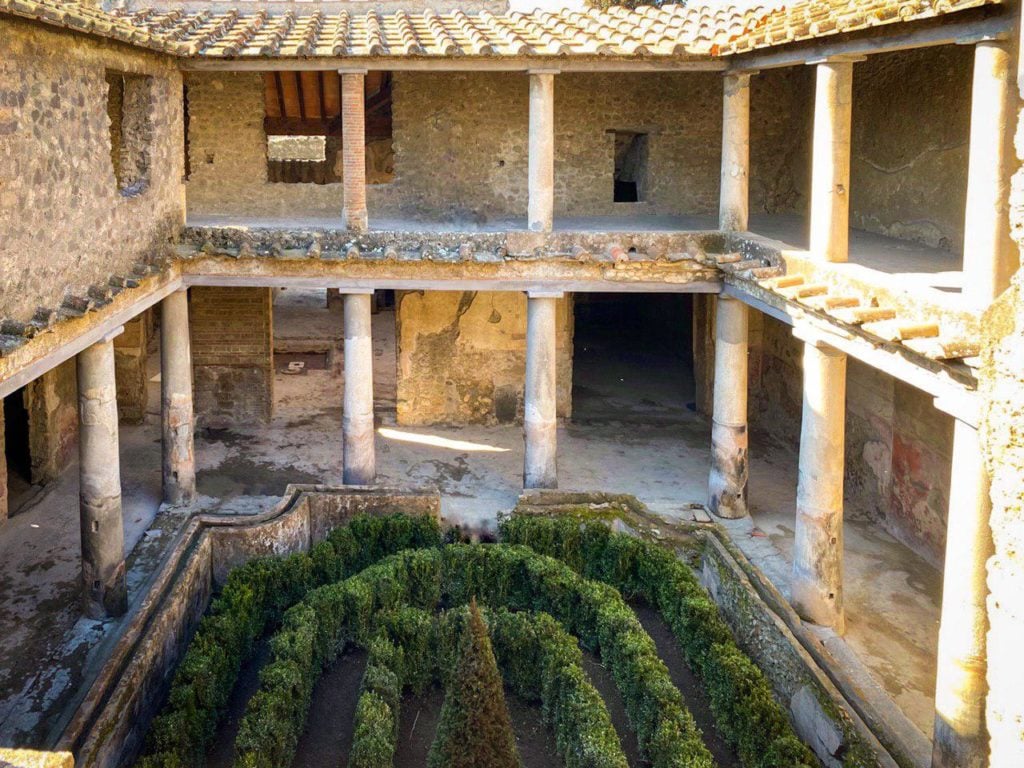
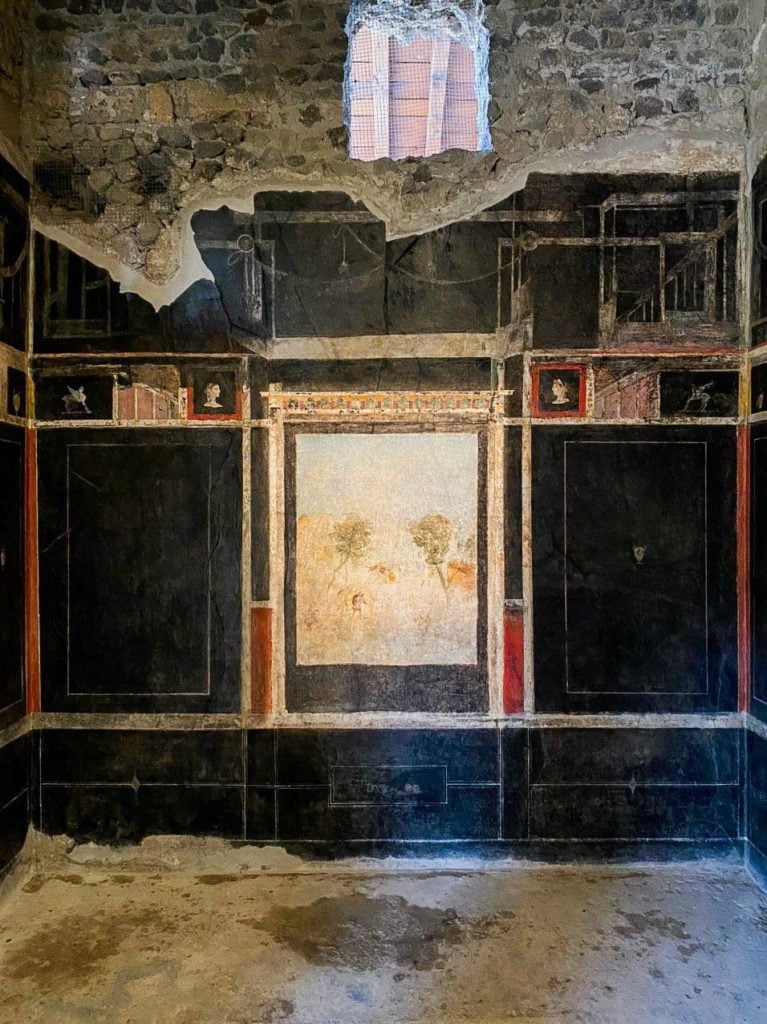
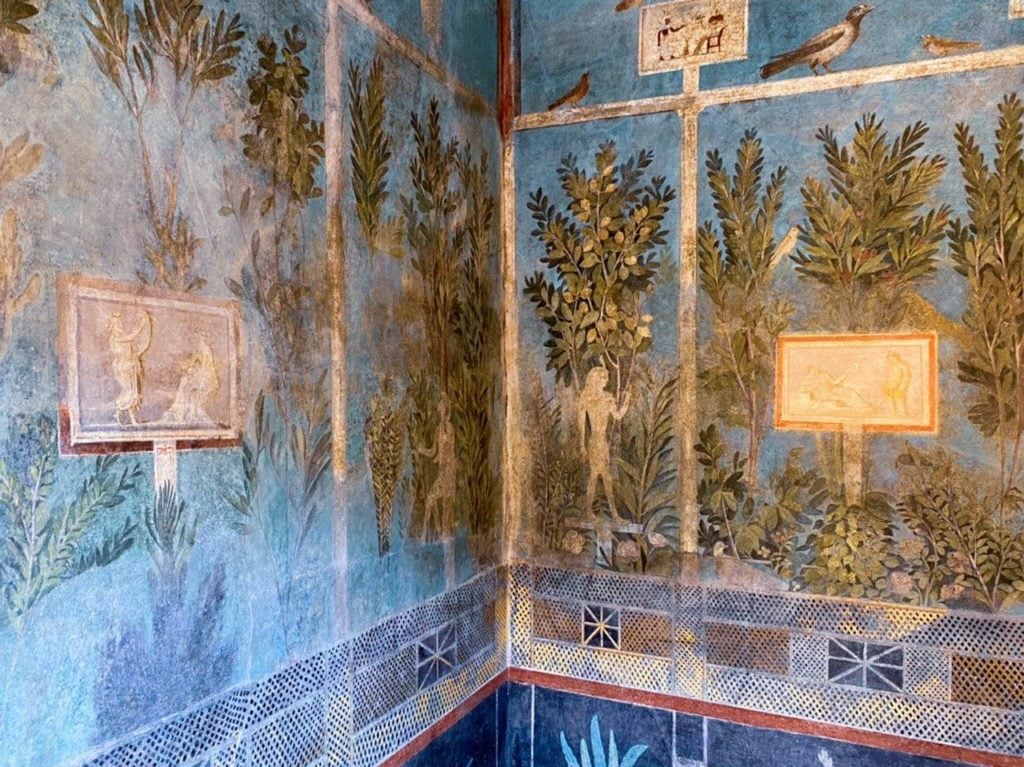
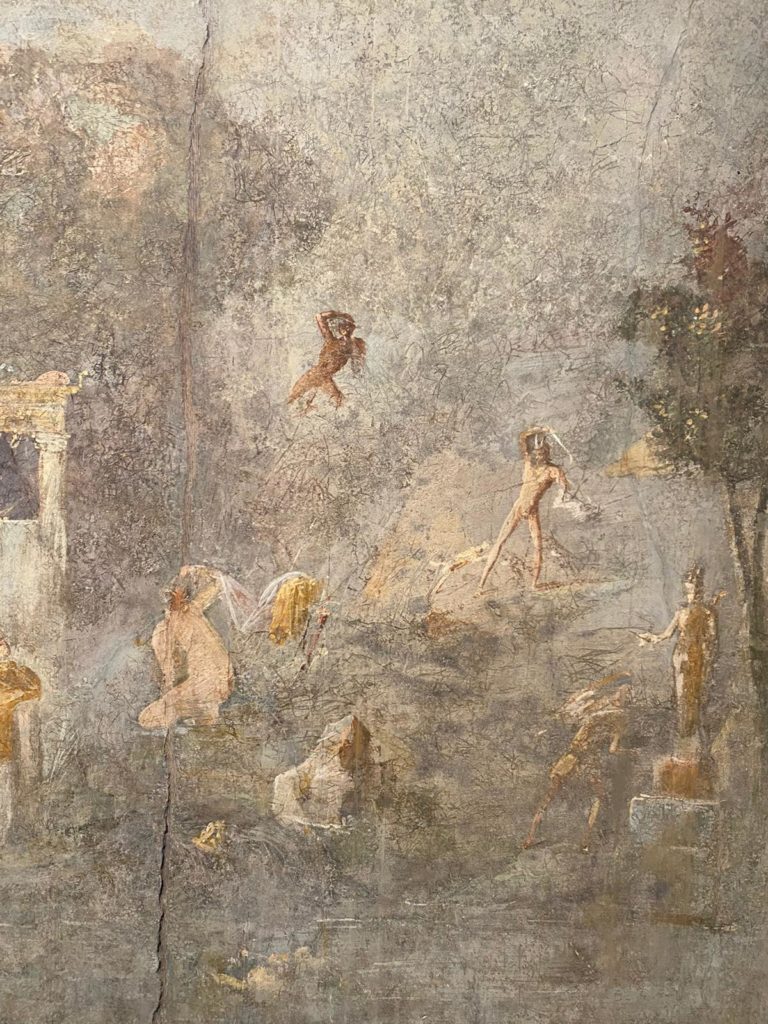
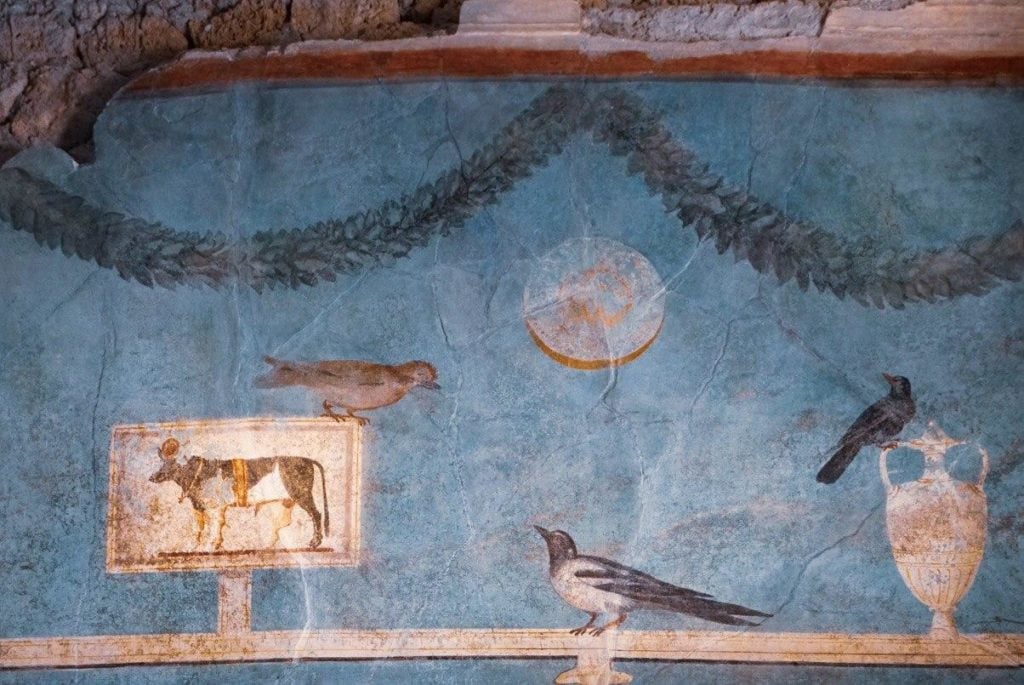
newly restored buildings this week, each adorned with vibrant frescoes that
provide fascinating insights
into the daily lives of the ancient Romans.
The site is “a place where
research and new archaeological excavations are back thanks to the
long and silent work of the many professionals of cultural heritage
that have contributed to the extraordinary results that are there
for all to see,” said Dario Franceschini, Italy’s minister for
cultural heritage and activities, in a statement. They are “a
source of pride for Italy,” he added.
Courtesy of the Italian Ministry of
Culture and Tourism.
The unveiling signaled the
completion of the €105 million ($113 million) Great Pompeii
Project, which the EU launched in 2014. Prior to that, rampant
tourism, ecological disasters, and a lack of proper conservation
resources had left the site in a state of ruin—even for a ruin. In
2010, less than 15 percent of Pompeii’s 110 acres, and just 10 of
its 60-some buildings, were open to visitors, according to
National
Geographic.
Since the advent of the EU’s
project, the status of the site has increased dramatically, and
tourists have taken notice. The number of visitors
to Pompeii annually has grown by 47 percent since 2014,
topping at almost 4 million last year, according
to The Sunday Times. Roughly 70 percent of
the ancient city, including 30 buildings, is now accessible to the
public.
Researchers are still working on
the site, said Franceschini, and the state has allocated another €50 million ($54
million) to allow work
to continue. “Pompeii
will always require maintenance and research,” the minister
added.
Courtesy of the Italian Ministry of
Culture and Tourism.
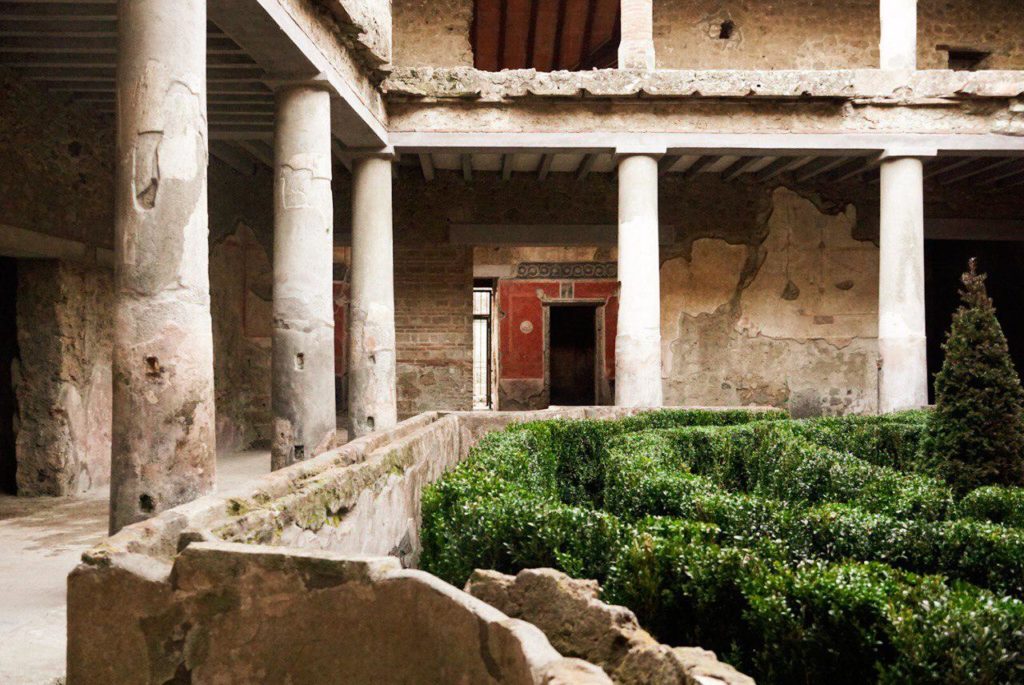
The newly reopened buildings are
the House of the Orchard, the House of Lovers, and the House of the
Ship Europa. The best known of them, the House of Lovers, is named
after a graffito scrawled above an interior fresco that reads
Amantes, ut apes, vitam melitam exigunt, or “Lovers lead,
like bees, a life as sweet as honey.” The building, which
symbolized the lost city, was uncovered in 1933, but an earthquake
in 1980 rendered it too dangerous to enter.
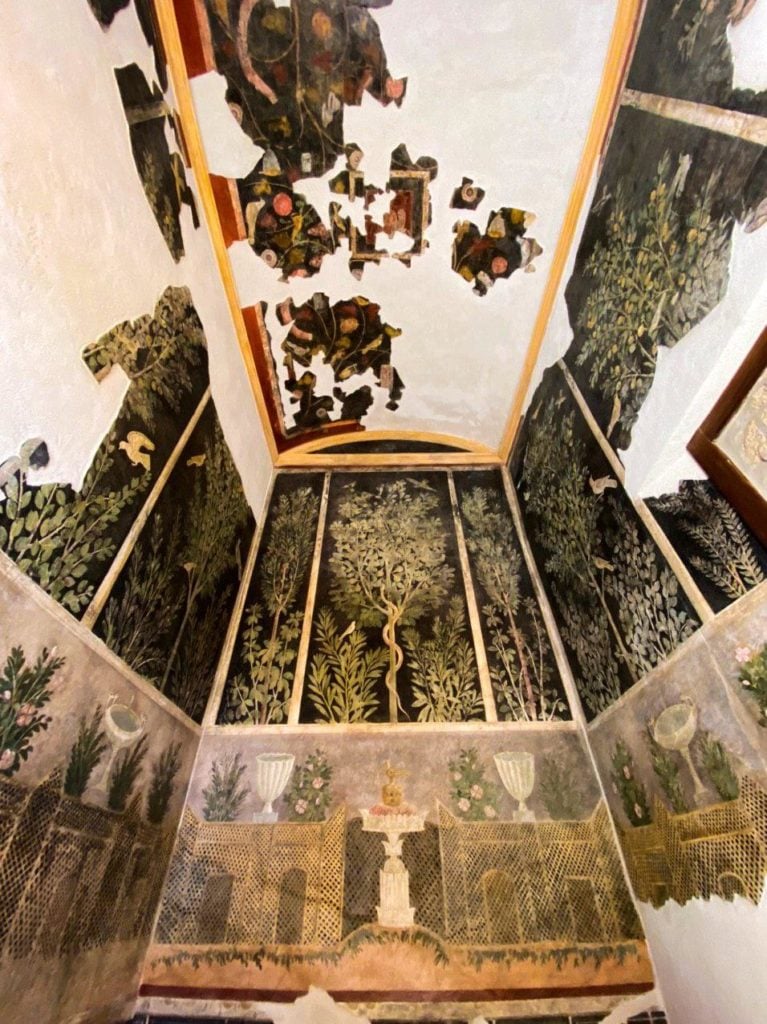
The House of the Orchard, which
is covered in verdant frescoes of fruit trees and animals, was
partially excavated in 1913 before being fully uncovered in 1951.
The House of the Ship Europa was excavated over the course of more
than two decades, from 1951 to 1975. A painting on the building
depicts a large cargo ship called Europe, alongside other
boats.
See more images of the newly restored buildings below.
Courtesy of the Italian Ministry of
Culture and Tourism.
Courtesy of the Italian Ministry of
Culture and Tourism.
Courtesy of the Italian Ministry of
Culture and Tourism.
Courtesy of the Italian Ministry of
Culture and Tourism.
Courtesy of the Italian Ministry of
Culture and Tourism.
The post Three Enchantingly Painted Houses in the Lost City
of Pompeii Are Finally Open to the Public After a 40-Year
Restoration Project appeared first on artnet News.
Read more https://news.artnet.com/art-world/pompeii-painted-houses-reopen-public-1781232
Further reading


Leave a comment