
See How Works by Winslow Homer and Other Historic Artists Inspired the Costumes in Greta Gerwig’s ‘Little Women’
Late last month, actress and director Greta Gerwig took a
stroll through the halls of the Metropolitan Museum of Art
with the New York Times, pointing out the works that
inspired her new film adaption of Louisa May Alcott’s
novel, Little Women, which follows four young sisters
in 19th-century Massachusetts as they struggle to meet—and defy—the
expectations placed on them by post-Civil War society.
Stopping by an 1870 Winslow Homer painting of three women on a
beach, Gerwig said: “Those are my girls. Don’t they just
look like girls that you know?”
Indeed, many of the costumes used in the film come directly out
of paintings, as costume designer Jacqueline Durran told
InStyle magazine. In particular,
Durran mentioned a work by Winslow Homer depicting two boys in a
field, which helped shape the dress worn by one of the film’s
characters, Jo.
Another character, Amy, wears a dress based on the lace and
frilled frocks worn by women in Manet’s Impressionist-era works.
And Meg’s ethereal wardrobe is drawn from Pre-Raphaelite paintings,
like those by Dante Gabriel Rossetti and Sir John Everett
Millais.
“Clothes are part of the girls’ journey into the world, part of
their creation of themselves as characters,” Durran said.
Below, see some of the artworks cited by Gerwig and Durras,
alongside production stills from the movie.
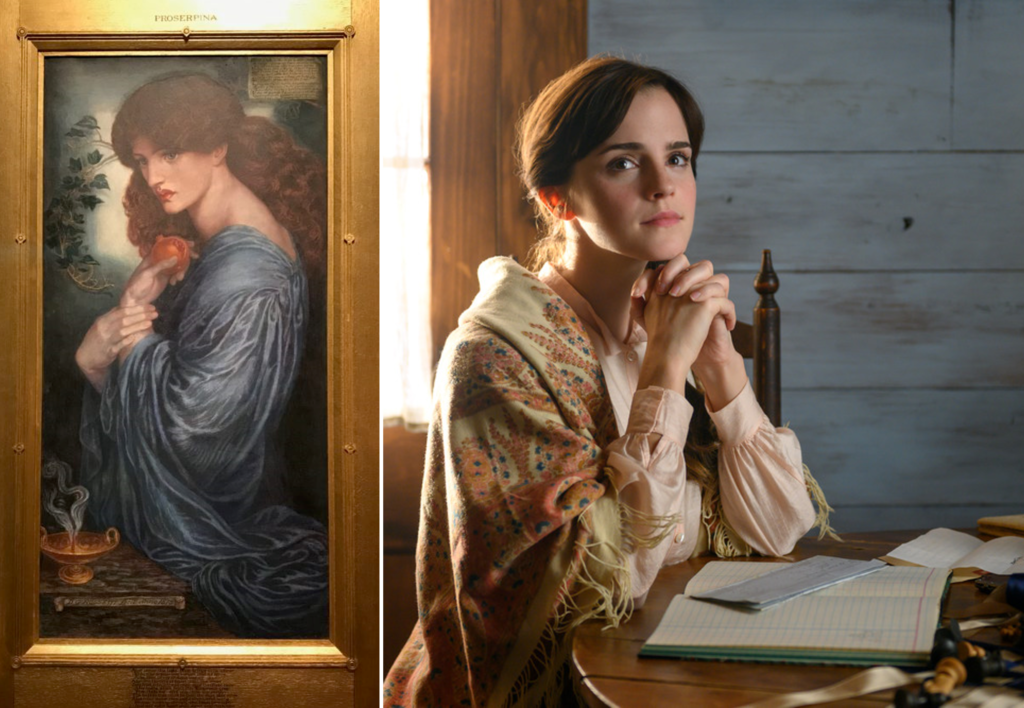
Dante Gabriel Rosetti’s
Proserpine (1878, left) inspired the treatment of Meg,
played by Emma Watson.
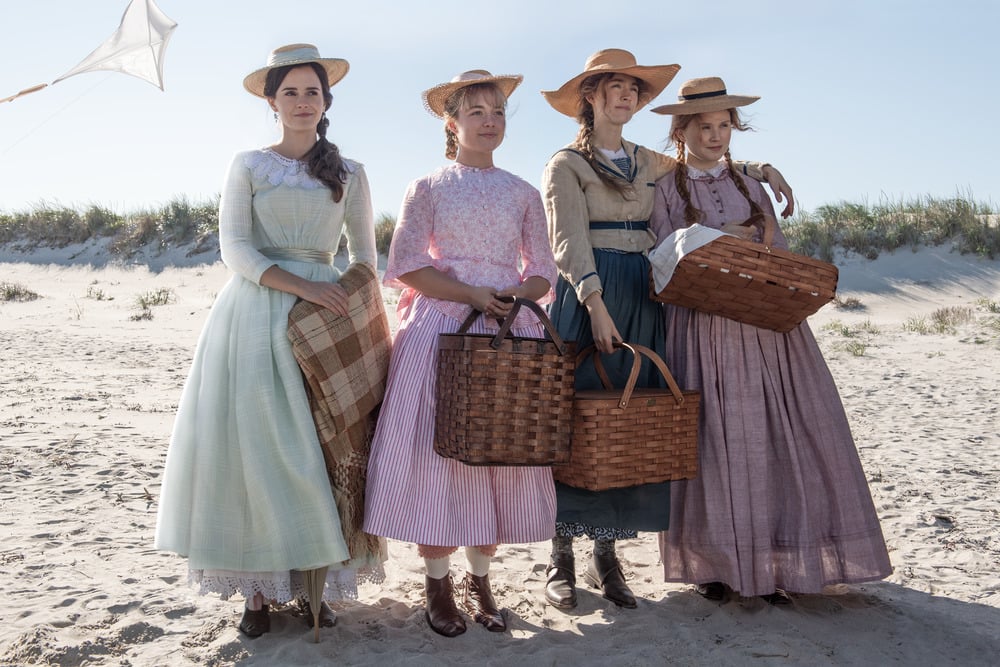
A still from Little Women (2019).
Photo by Wilson Webb © 2019 CTMG, Inc.
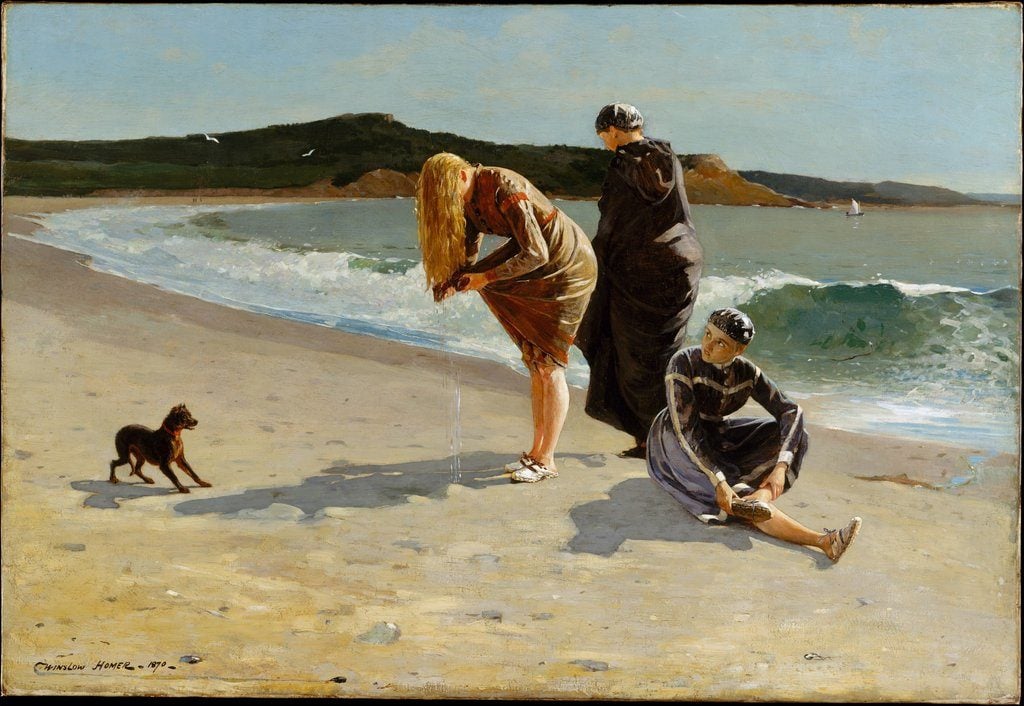
Winslow Homer, Eagle Head,
Manchester, Massachusetts (High Tide) (1870). Courtesy of the
Metropolitan Museum of Art.
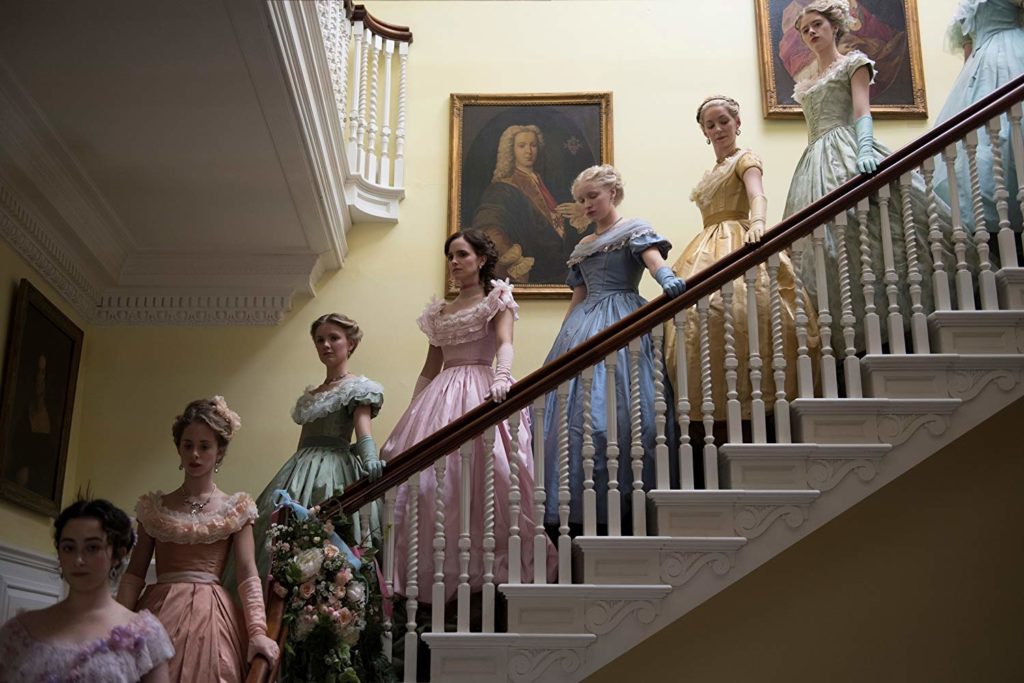
Still from Little Women (2019).
Photo by Wilson Webb © 2019 CTMG, Inc.
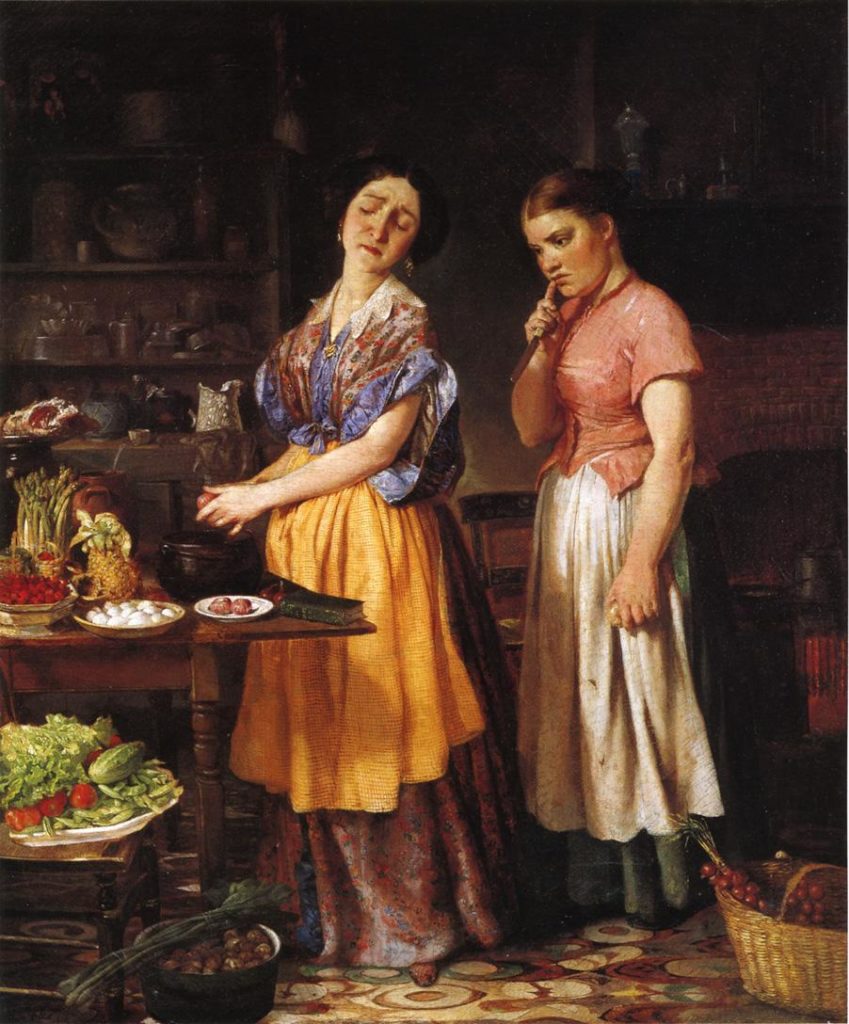
Lilly Martin Spencer, The Young Wife:
First Stew (1864). Courtesy of Artnet.
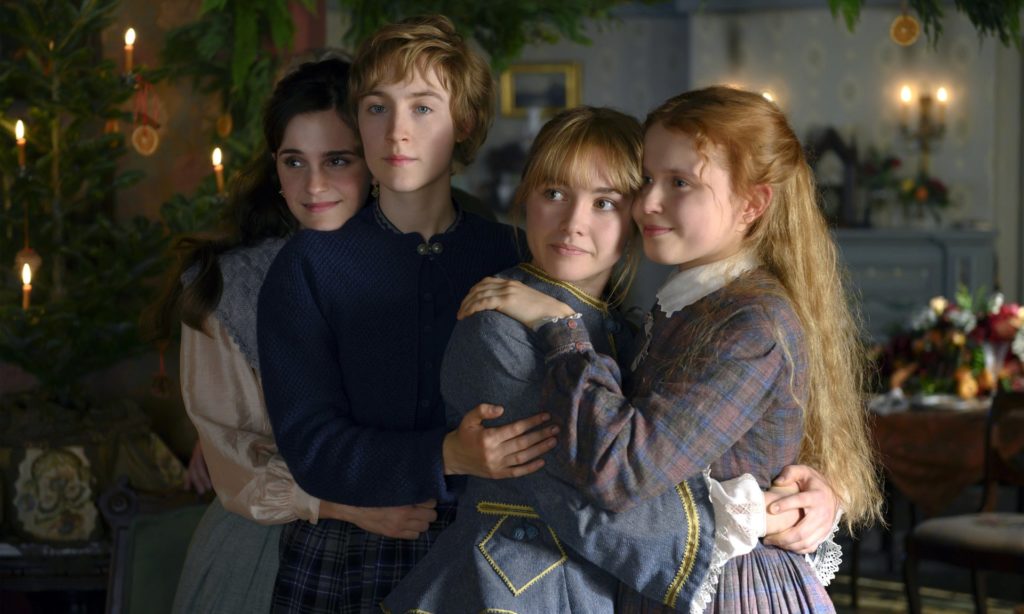
The March sisters of Little Women
(2019). Photo by Wilson Webb © 2019 CTMG, Inc.
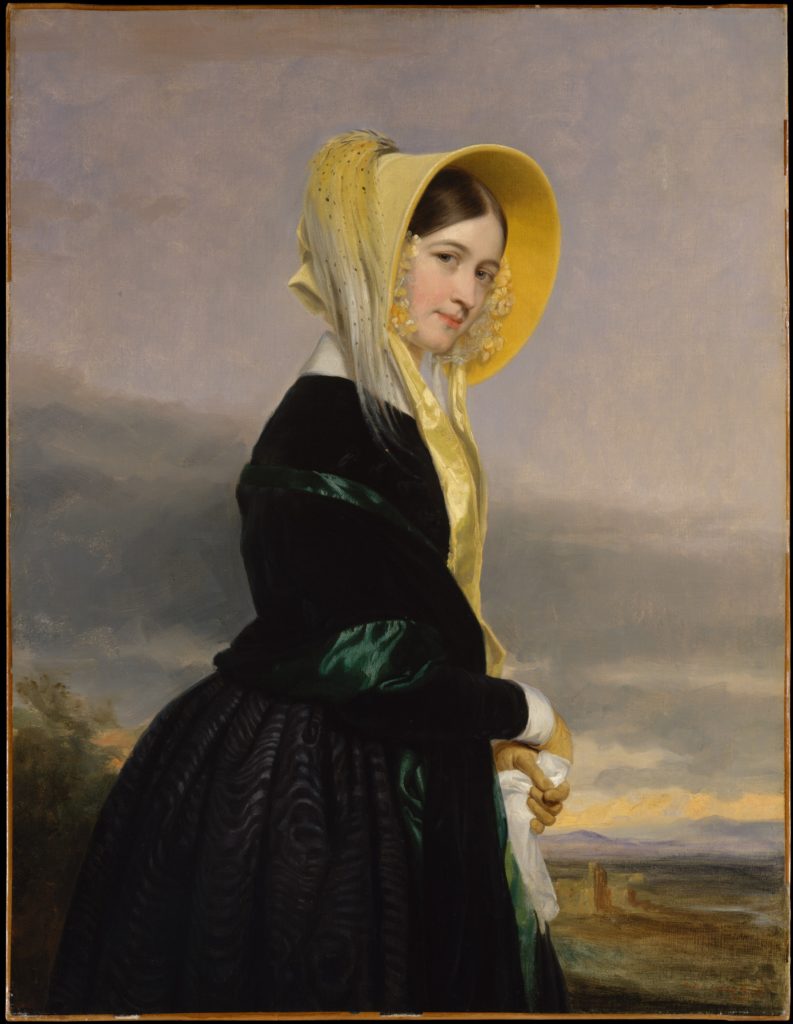
George P. A. Healy, Euphemia White
Van Rensselaer (1842). Courtesy of the Metropolitan Museum of
Art.
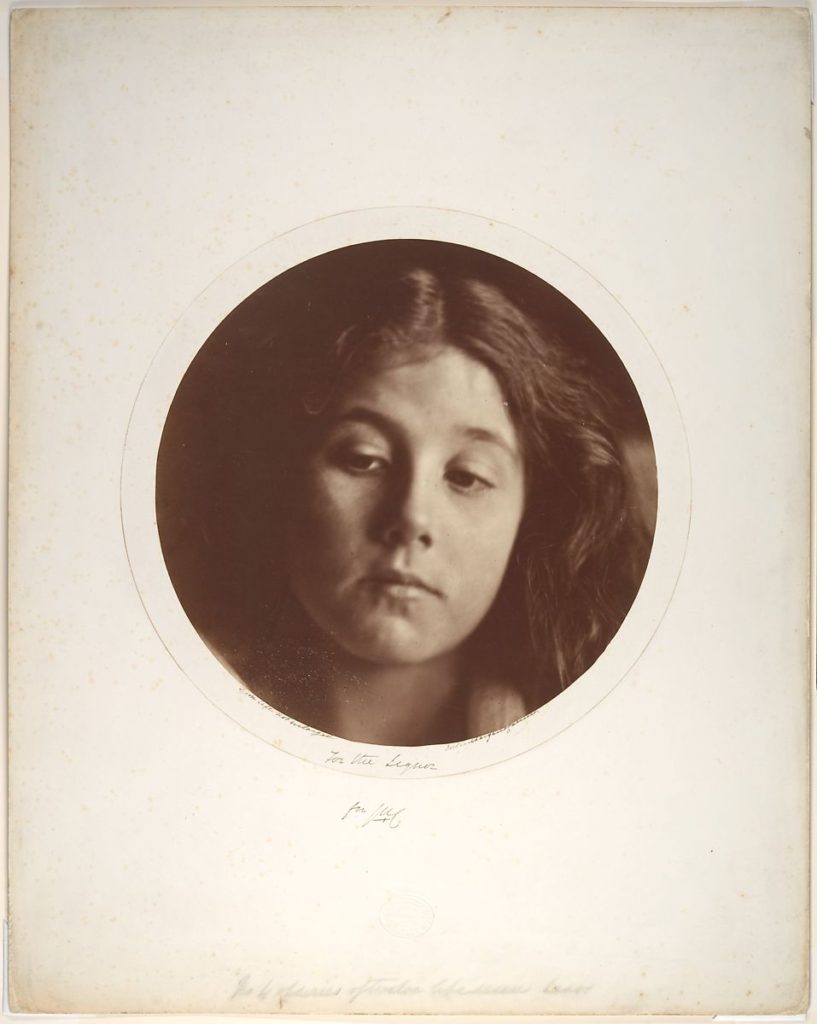
Julia Margaret Cameron, Kate
Keown (1866). Courtesy of the Metropolitan Museum of Art.
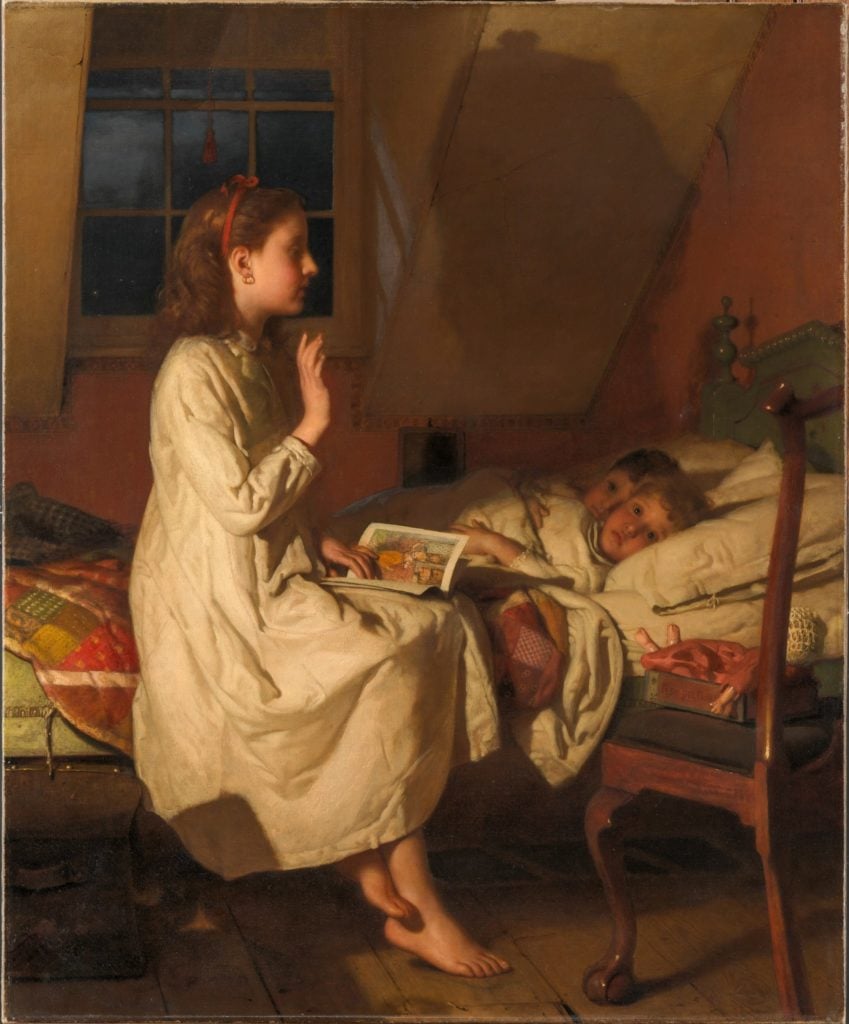
Seymour Joseph Guy, Story of Golden
Lock (ca. 1870). Courtesy of the Metropolitan Museum of
Art.
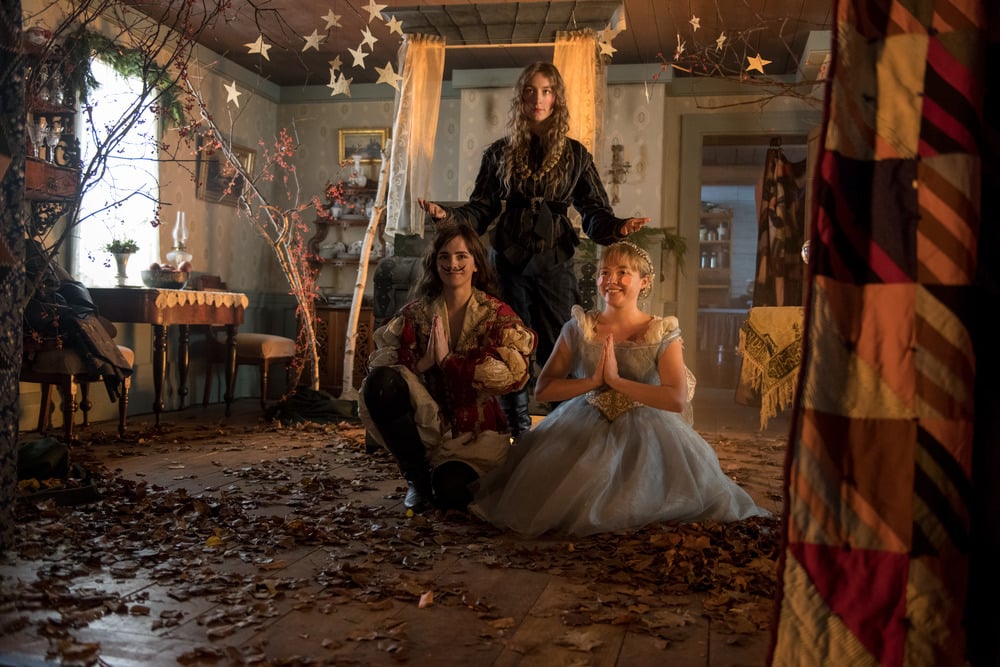
Still from Little Women (2019).
Photo by Wilson Webb © 2019 CTMG, Inc.
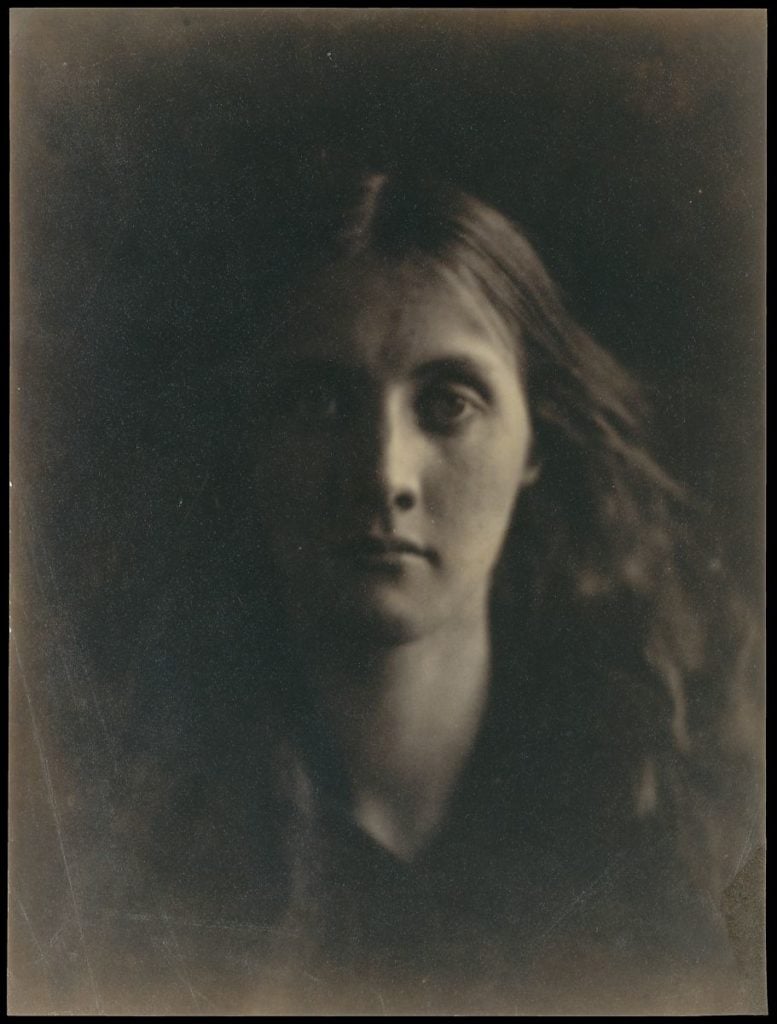
Julia Margaret Cameron, Julia
Jackson (1867). Courtesy of the Metropolitan Museum of Art.
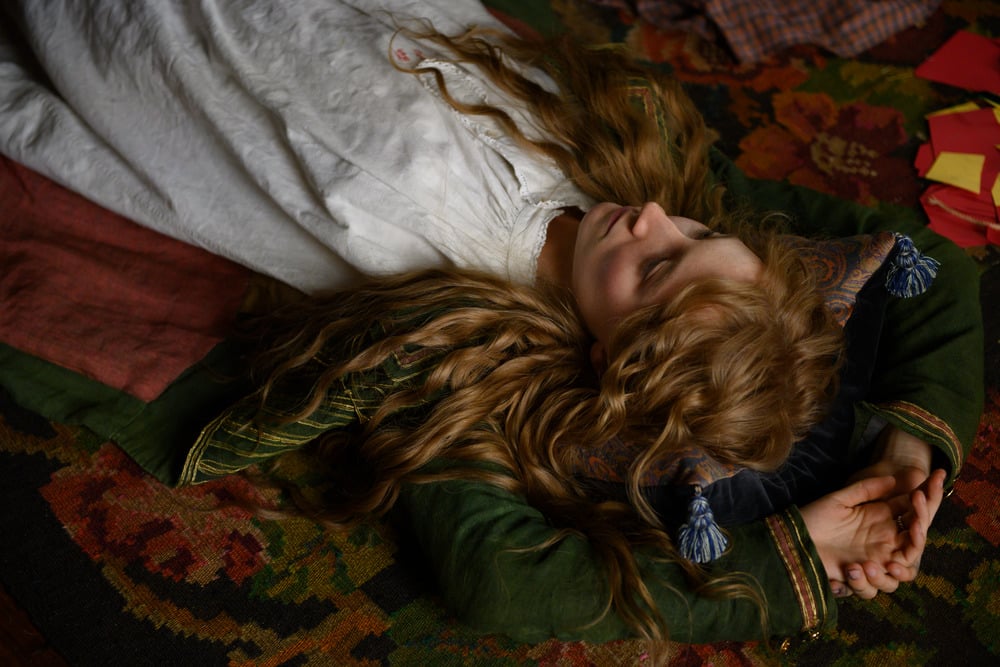
Still from Little Women (2019).
Photo by Wilson Webb © 2019 CTMG, Inc.
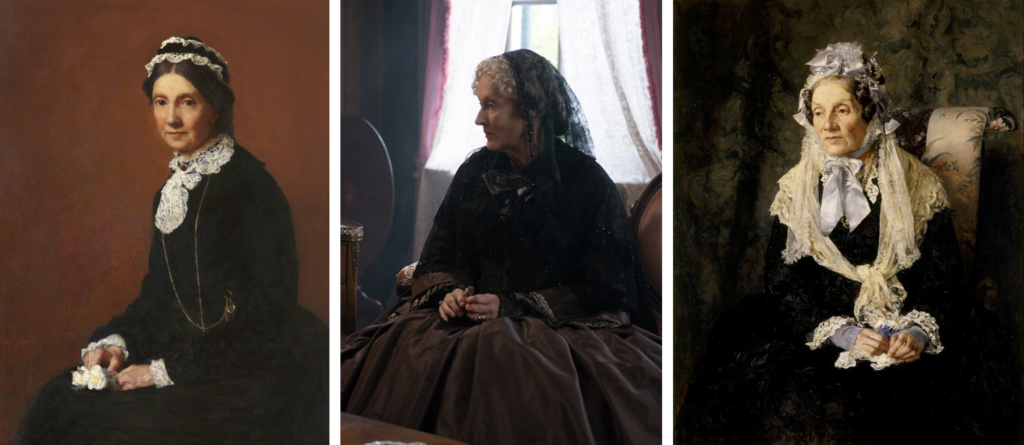
Cyrus Johnson’s Mary Erskine, Lady
Acland (1883, far left) and Anne Hood, Mrs Luttrell
(1877, far right) inspired the outfits for Aunt March (center),
played by Meryl Streep.
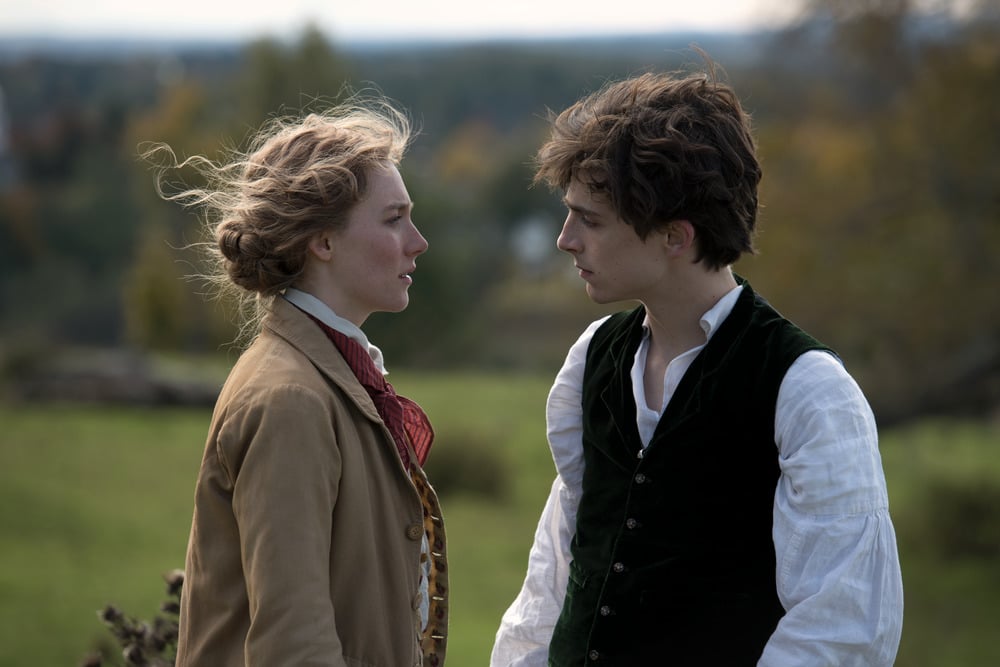
Still from Little Women (2019).
Photo by Wilson Webb © 2019 CTMG, Inc.
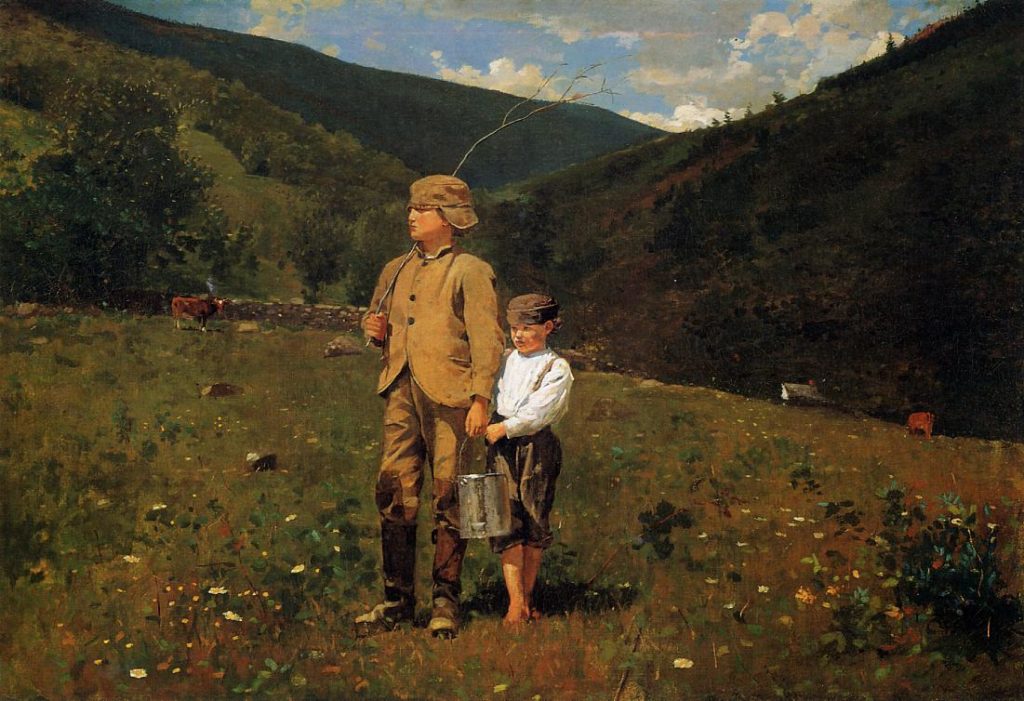
Winslow Homer, Crossing the
Pasture (1871). Courtesy of the Amon Carter Museum.
The post See How Works by Winslow Homer and Other Historic
Artists Inspired the Costumes in Greta Gerwig’s ‘Little Women’
appeared first on artnet News.
Read more https://news.artnet.com/art-world/little-women-art-influences-1747689
Further reading


Leave a comment